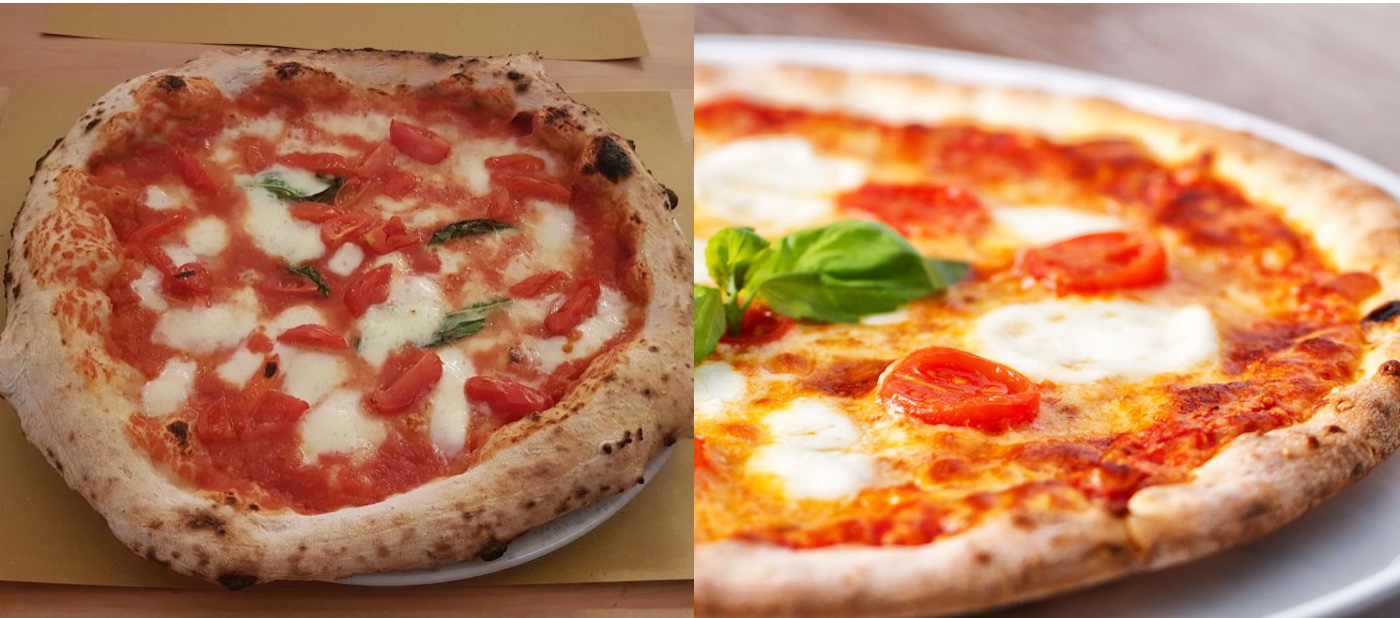
This week, I decided to try one of the most well-known and exported Italian foods of all time: Pizza. It was my friend’s birthday this past weekend and a group of us decided to go out to a local pizzeria named Il Chiodo Fisso, in Balduina. Never having ordered pizza in Italy before, I was used to ordering one or two pizzas for a group and perhaps splitting the pizzas into multiple toppings. However, I was in for a very different experience. After ordering the Pizza Sarda or “Sardinian Pizza” (made with sausage and onions) I anxiously waited, expecting something similar to the soft and thick delicacy that I knew and loved from Chicago. However, the waitress came to our table with five very thin, almost cracker like, pizzas roughly twelve inches in diameter each. After clumsily cutting into the flat pizza disc, my past expectations of pizza had been shattered by this thin-crusted creation. All of the ingredients were fresh, the sausage was hand sliced (instead of ground up) and the dark, crispy ends were irresistible. Intrigued with this delicious new style of pizza, I asked my teacher for the class Italian Culture: Food and Wine, Professor Samari, about the dish. After learning that I had “Pizza Romana,” and about the basic variations in different Italian pizzas, I did some research.

Pizza Romana is the Rome version of the better-known Pizza Napolitana, from Naples. According to Basilico.co.uk, a website specializing in wood fired pizza, the newer thin-crust Pizza Romana is made with flour, water, yeast, salt, and olive oil. After being flattened with a rolling pin, the pizza is cooked at around 350 degrees Fahrenheit until crisp. The cooking of the more tradition and well-known Pizza Napolitana, however, is actually regulated by an association called the Associazione Pizzaiuoli Napoletani (the “Association of Neapolitan Pizza”) colloquially know as the “pizza police.” To be able to say a pizza is “authentic” Pizza Napolitana, the crust must be made from only water, yeast, salt, and flour. Furthermore, the pizza must be cooked on the bottom of a wood-burning oven, with a stone bottom, at 800 degrees Fahrenheit for only 50 to 90 seconds. This, along with the elimination of olive oil, gives the pizza a softer and more risen dough than its cousin Pizza Napolitana.
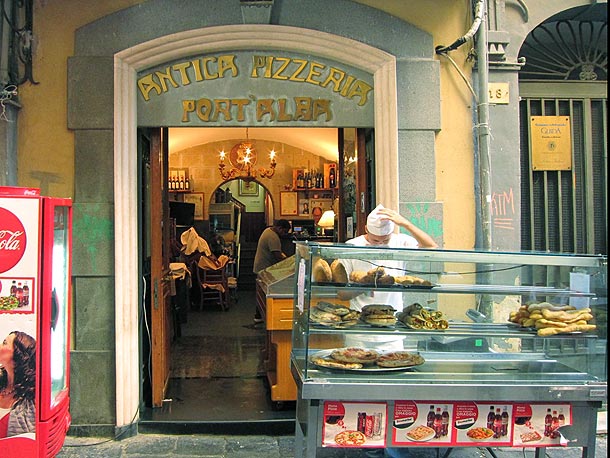
These regional differences in pizza stem from the evolution of the much older Pizza Napolitana as well as Rome’s interest and experimentation with the dish. According to New World Encyclopedia, the poorer southern Italians of the 1700’s created pizza’s ancestor by putting tomato sauce on bread. This inexpensive dish was eventually upgraded with cheese, vegetables, and even meats. Pizza was then sold by street vendors in Naples until the first pizza restaurant, Antica Pizzeria Port’Alba, opened in 1830 and still exists today! Eventually, pizza became a popular dish throughout Italy and Rome decided to make its own thinner variation, which became popular in the post World War Two period. These two different pizzas, made in two different regions, gave rise to the regional names “Pizza Romana” and “Pizza Napolitana” in order to separate the different dishes and highlight regional linkages to the foods. In the book Al Dente: A History of Food in Italy, writer Fabio Parasecoli describes this food regionalism as linked to the Italian concept of “Campanilismo.” This concept refers to Italians’ love, pride, and close attachment to their local city and region. It is much more common for Italians to identify themselves in terms of a city, such as “Romano” or “Napolitano” rather than as Italians. This concept also expands to the foods cooked and sold in particular regions. “Campanilismo” and its effect on the regional emphasis on food is why you will never see an authentic Italian dish ending with “all’Italiana.” Instead there is Agnolotti alla Toscana, bistecca Fiorentina, and, of course, Pizza Romana.

 Le Avventure Del Cibo e Il Vino D'Italia