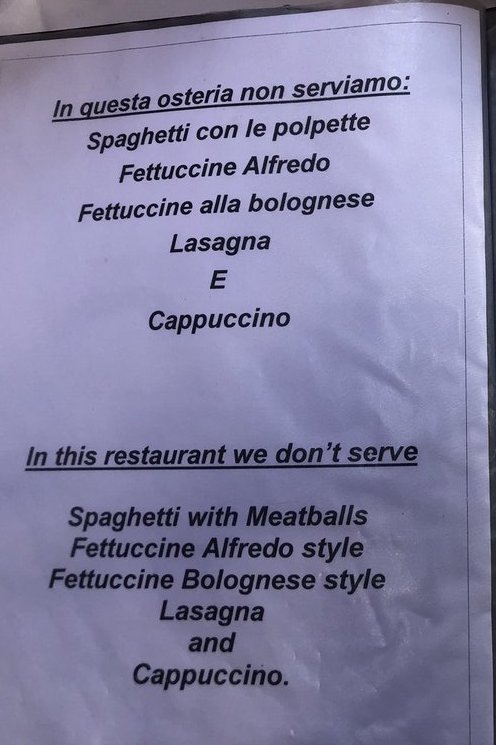
My parents were recently in Rome to visit and asked me what neighborhood we should go to for dinner. After some searching, I decided upon on of my favorite neighborhoods of Rome: Testaccio. The humble, residential area boasts many fabulous restaurants with authentic Roman style cuisine. We decided to go to a restaurant called “Flavio al Velavevodetto” that my food and wine teacher had recommended. Immediately upon arriving, I could tell it was an authentic Roman restaurant. This was because they were just opening when we arrived a few minutes after 7:30pm. After the waiters unlocked the front door and showed us to our table, I browsed through the Roman dishes on the menu such as the cacio e pepe, carciofo ebreo, and trippa alla Romana. After a minute of looking, I noticed something interesting on one of the first pages of the menu. In both English and Italian the page had a sign that read “In this restaurant we do not serve: spaghetti and meatballs, fettuccine alfredo, fettuccine bolognese, lasagna, and cappuccino.”
This funny sign on the menu was a testament to the authenticity of the restaurant. They did not serve these dishes because none of these dishes are really Italian. (Cappuccino was not served after dinner because, in Italy, it is thought to wreak havoc on your digestive system so late in the day). The dishes the restaurant refused to serve are products of Italian-American culinary fusion. The interactions of Italian and American cuisines can be traced back to the first wave of Italian immigration to America in the late 19thcentury. As Italian immigrants started to populate the cities of the United States east coast, they brought their culinary traditions with them. According to University of Chicago history professor Harvey Levenstein, Americans initially viewed Italian cuisine with distaste for several decades. The decreased use of meat, large use of wheat and vegetables, and preference to shop at local and outdoor food vendors was seen as unhealthy and unsanitary. The Anglo-Saxon diet Americans were accustomed to was out of step with the Italian diet.
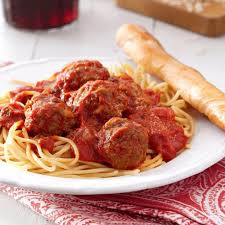
Although viewed negatively at first, the use of less meat and frugality with ingredients made Italian cuisine much more attractive during World War One when society stressed conservation of food. Later, during prohibition in the 1920’s, many people went to Italian neighborhoods to buy alcohol, since Italians had already been accustomed to making their own wine and liquors in their homes for decades. Americans searching for alcohol therefore came into frequent contact with Italian cuisine. Italian cuisine became more popular, however American dietary habits and customs forced owners of Italian restaurants and food vendors to adapt their recipes. For example, spaghetti with tomato sauce and meatballs had always been served in separate courses, never mixed. However, the decreased number of courses in the American dinner and demand for and availability of more meat lead to chefs creating the Italian-American favorite, spaghetti and meatballs.
Looking back over my past few months in Italy, I have increasingly noticed the very distinct differences between different Italian and Italian-American cuisines. In fact, I would argue there is no such thing as strictly Italian cuisine. After almost 150 years of a unified Italy, the different regions have hung on tightly to their different culinary traditions and recipes. Although one can buy a cannolo in Rome, it will never be the same as that sweet ricotta filled dessert made in Sicily. Although one can order tortellini al brodo in Turin, it will not be the same as that delicious meat filled pasta made in Bologna. The varied and distinct dishes that make each region of Italy unique cannot be simply summed up as “Italian” food. Italian-American food is just the result of American adaptations of the Italian foods brought to her by Italian Immigrants from several key regions. Therefore, Italian-American food is its own unique category, only partially related to some of the regional specialties of the Italian Peninsula. Although I do love many Italian-American dishes, I don’t know if any of them can match up to the fabulous cacio e pepe served at Flavio al Velavevodetto in Testaccio.
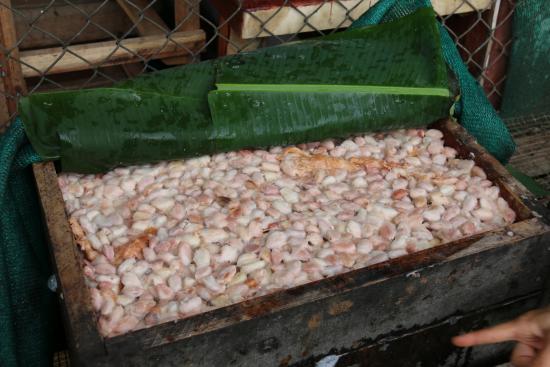
Last week I learned about the interesting process of making one of the greatest foods of all time: chocolate. The thing about the chocolate making process that surprised me most was that chocolate is fermented food just like yogurt, sauerkraut, or beer. In the Netflix documentary “Cooked” the episode “Earth” follows cocoa bean harvesters in the process of fermenting chocolate. The harvesters first opened the cocoa pods to reveal a small pile of cocoa beans covered in a white mucinous gel. Next the raw beans covered in the pulp were dumped into wooden boxes and tightly covered. This allows the heat to rise and little to no oxygen to enter in order for anaerobic respiration, or fermentation, to begin. The beans sit in the box, which reaches about 50˚C, for about seven days. After seven days the harvesters declare that the beans have reached optimal fermentation, resembling the chocolate brown color that we all know and love. The beans are then spread out on a big tarp and left to dry in order to stop the fermentation process.
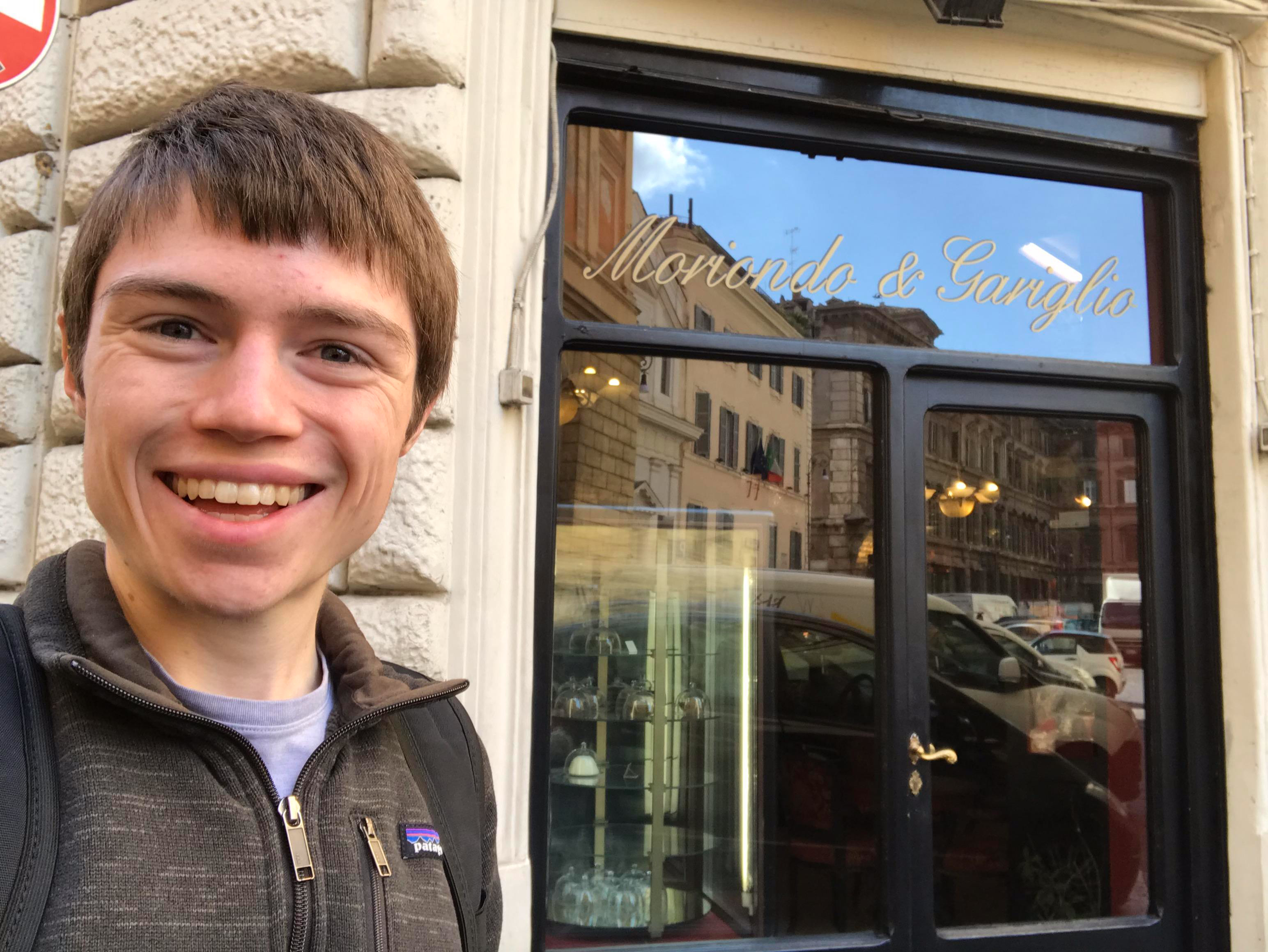
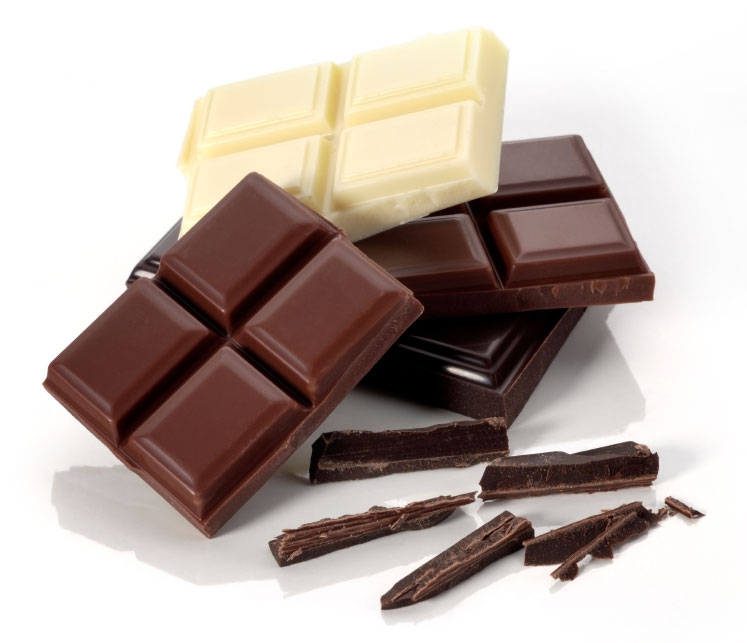
Several days later I was reminded of the episode on chocolate fermentation as I passed the Roman chocolate store “Moriando e Gariglio,” near Piazza Venezia. I could not resist the delicious looking candies in the window and had to go inside. The sweet and nostalgic smell of the enticing sweets filled the room. After some browsing I decided to get a couple of pieces from the front desk. As I devoured the pieces of chocolate directly after stepping outside of Moriando e Gariglio, I wondered about the role of the fermented, bitter cocoa bean in creating these wonderful, sweet chocolates. After some research online, I found out about the intriguing factory process. According to Scienceofcooking.com, fermented cocoa beans are roasted, cracked open to expose the cocoa nibs, the nibs are ground into a chocolate liquor, and finally the liquor is mixed with sugar, cocoa butter, milk, and vanilla in various quantities depending on the type of chocolate. For instance, the dark chocolate that I prefer is made with a higher percentage of chocolate liquor and no milk, while milk chocolate is made with less chocolate liquor, but more milk and vanilla. The right ratio of ingredients to make great chocolate is not easy to achieve, but whatever recipe they use to make chocolate at Mordiando e Gariglio seems to have found it!
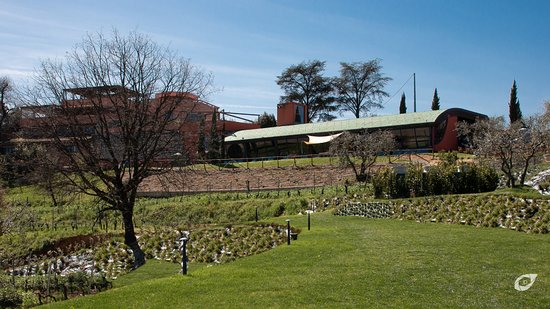
This past weekend my parents were in town from Chicago, so we decided to head north to see Tuscany and of course try the amazing local food and wines of the region. We felt the best (and most fun) way to experience the wine of the region was to visit a vineyard and have a wine tour and tasting. On a late Saturday morning we arrived at the Buonamico winery in Montecarlo, Tuscany. The buildings of the remodeled vineyard looked very modern and stylish in contrast to the classical Tuscan vineyards sprawling throughout the fields of the estate. Stepping inside, we were surprised to be greeted with a glass of sparkling white wine. We had always thought of Tuscan wine as synonymous with red wine and were slightly confused with our first tasting. Our tour guide then gave us some information about the Buonamico winery. Apparently, the winery was famous for producing white and sparkling white wines in the predominately red wine region of Tuscany. They particularly were known for experimenting with different combinations of French and Italian grapes to make their unique wines.
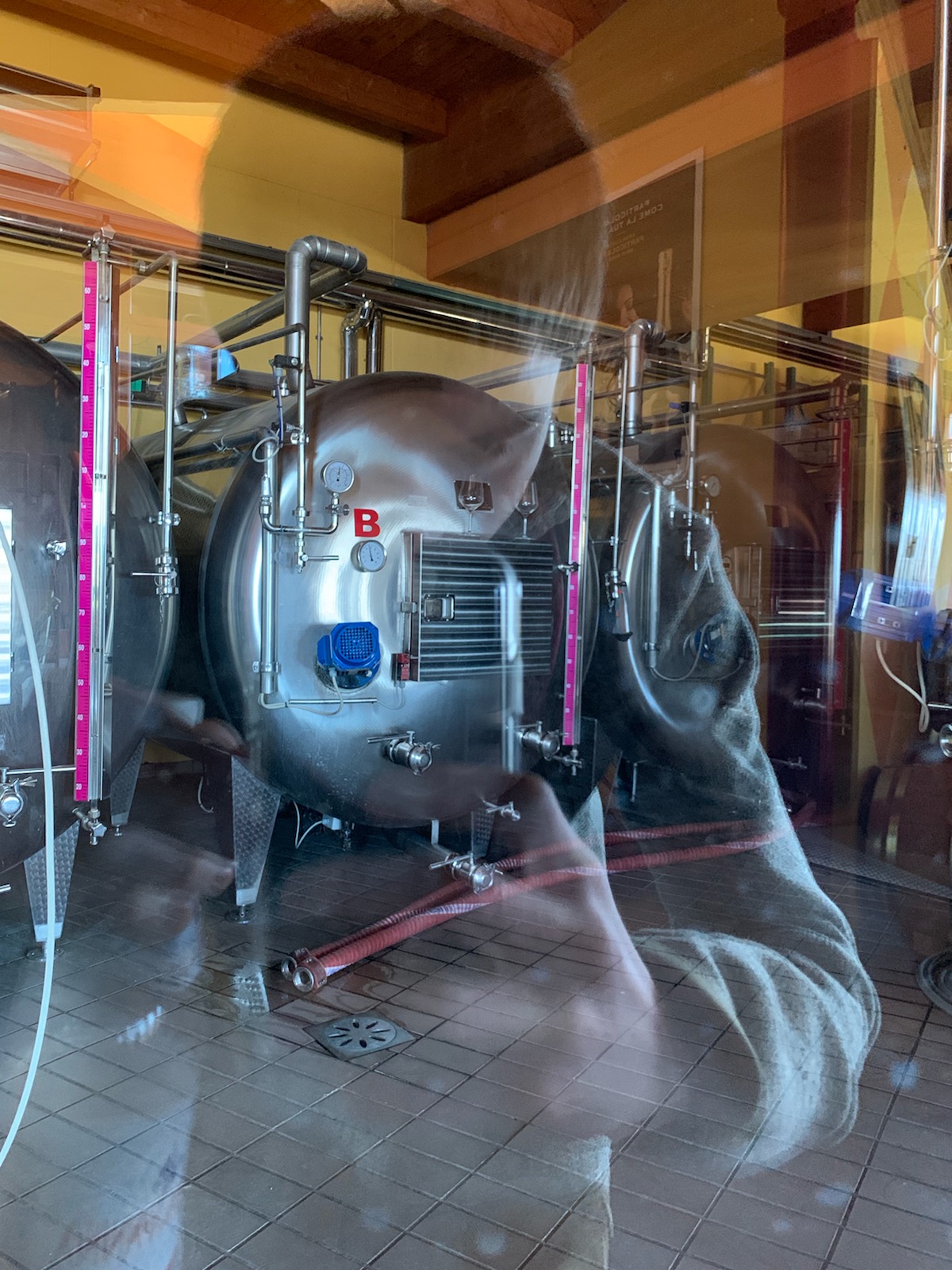
After our welcome drink, our guide led us down into the rooms below where the winemaking process was carried out. I had already learned the essential parts of the winemaking process for both reds and whites in my food and wine class, however, it was very interesting to hear our guide passionately describe the intricate methods unique to the Buonamico winery. The most interesting part of the Buonamico winemaking process was during the secondary fermentation of their sparkling white wines. According to Encyclopedia Britannica, fermentation is the breakdown of glucose in the absence of oxygen. This breakdown of glucose in wine eventually produces alcohol after live cultures from yeast or bloom on grape skin is added to grape juice. In order to make white wines sparkle, the wine must be put through a second round of fermentation in which yeast (or another active culture) is added to break down glucose into carbon dioxide and more alcohol. This is why sparkling wines have higher alcohol contents as well as a bubbly texture.
Automatic “Riddlers”
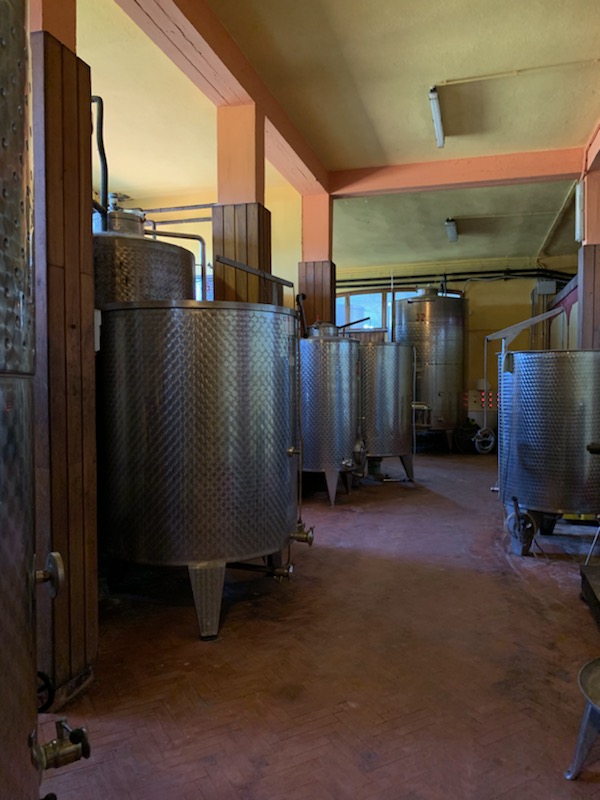
However, there is another step to the processes of making sparkling wine: riddling. Riddling is the process of occasionally turning the sparkling wine bottle while the wine is going through secondary fermentation. This allows sediments to be moved to the neck of the bottle so it will be easier to remove the sediment after the aging and secondary fermentation processes are complete. According to Auguste Escoffier School of Culinary Arts, failing to remove sediment from sparkling wine can affect the taste of the wine. Although the process of riddling is traditionally done by fermenting and turning sparkling wine in individual bottles, Buonamico’s limited space and staff led them to create a new method. In several large metal containers, Buonamico puts their sparkling wines through secondary fermentation while the container occasionally turns all of the wine inside. This allows for easy and efficient collection and removal of the sediment at the bottom of the large container. Not only did the sparkling wines of Buonamico taste great, but their creative solution to overcome their problems of limited space and staff also gives the wine a great backstory!
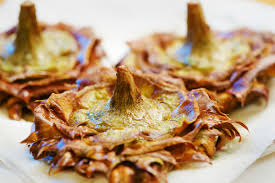
This past Wednesday, I joined the other students in my food and wine class for a cooking class at Alice’s Latteria Studio in Testaccio. Upon arriving, we were greeted by Alice, a friendly and personable English women who warmly welcomed us with a variety of antipasti dishes. After sampling some of the delicious Roman Antipasti, Alice brought all of us around the central island counter. The counter had several metal bowls, knifes, lemons, and artichokes. Alice told us the fist dish we would make for the traditional four-course meal would be the fried artichoke. The fried artichoke would then be followed by two pastas, a chicken dish, and a pastry. Each of us grabbed an artichoke and proceeded to slice off the stem and outer leaves. Although we sliced off some of the rougher parts, most of the vegetable was still used in the dish. After putting the first round of artichokes in the olive and vegetable oil to fry, Alice explained to us that many Roman and Italian cuisines are constituted of simpler ingredients.
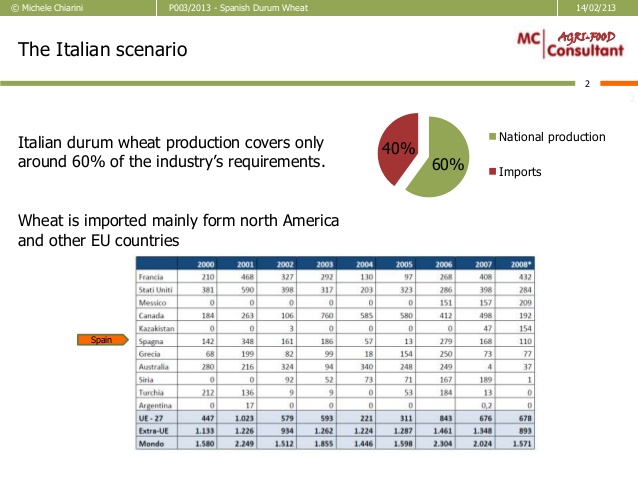
My question for Alice was why Romans choose simpler ingredients such as artichokes and pasta noodles to create the world-renowned recipes of Roman cuisine. To answer my question, Alice needed to take the class back into the history of Italian cuisine and society. Before World War Two, many Italians earned meager wages and did not have access to a wide variety of expensive meats and spices for cooking. However, Italians love for food and cuisine yielded creative recipes despite their limited resources. According to Rachel Lauden, an English food Historian and writer of “The French Terroir Strategy and Culinary Modernism,” bread and wheat dishes had always been a central staple to Italian cuisine due to its availability to the masses and cheap price. Once the Marshal Plan was implemented and Italy modernized its food production after World War Two, a variety of different kinds of food became cheaper and more available. Although Italians started to eat more meat and use different spices, loyalty to their past cuisines stayed strong. Furthermore, Lauden points out that the European Union actually began subsidizing Italian wheat in 1957. Even though Italian wheat production rose dramatically after subsidization, Italy today still needs to import over one-third of its wheat due to the high demand needed to create their beloved recipes.
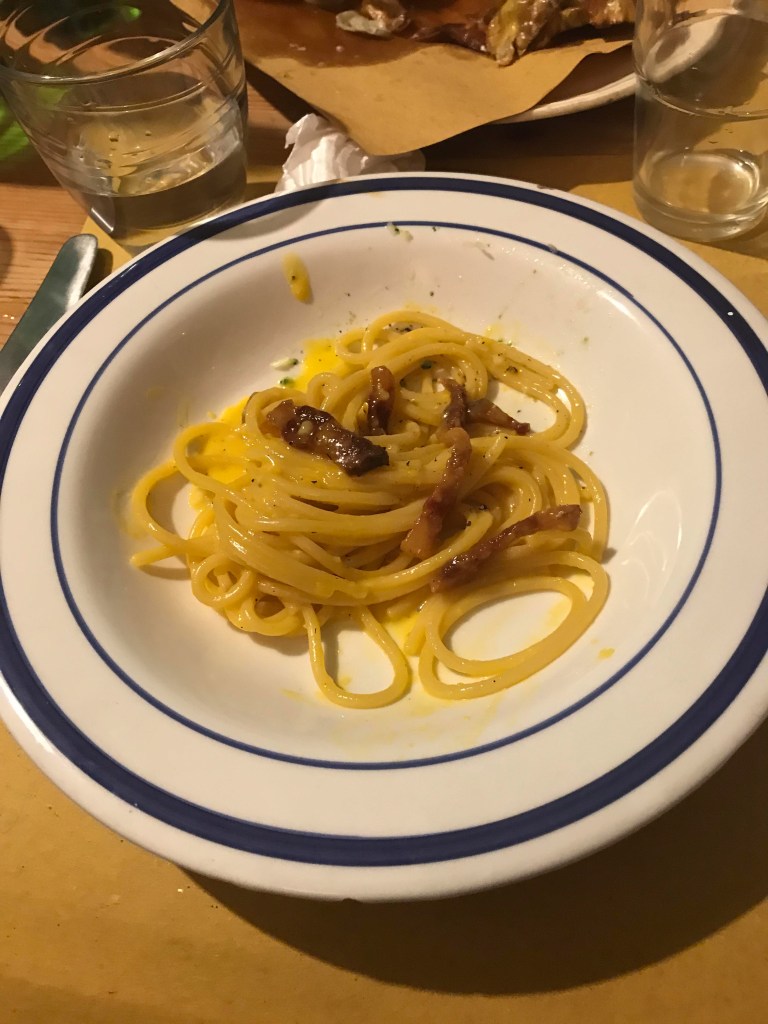
As the dinner proceeded and the different courses were brought out, Alice gave us insight into the origin and history of the different cuisines. The fried artichoke was a common recipe of the Jewish Ghetto. Since the Jewish inhabitants of the area were very poor, they decided to use the available root vegetable to make the delicious antipasto we enjoyed. The simple yet delicious pasta courses we had were the Roman classics pasta alla broccoli and pasta alla carbornara. The ingredients used in these pastas were simple vegetables, like broccoli, and unwanted leftovers of animals, such as pig fat (bacon). The humble origins of these dishes are even emphasized by popular legends, such as the myth that Italian soldiers made the first pasta alla carboranara with left over eggs and bacon from their breakfasts. In reality, the dishes were made from whatever ingredients were inexpensive and available to the masses. After the dinner, I realized that I had gained a much greater appreciation for the cuisines of Italy and the creativity applied by Italians to do the most with the little ingredients they had. If there is a will, there is a way, and Italians will for outstanding dishes was never broken by the humble ingredients constituting their amazing cuisines.
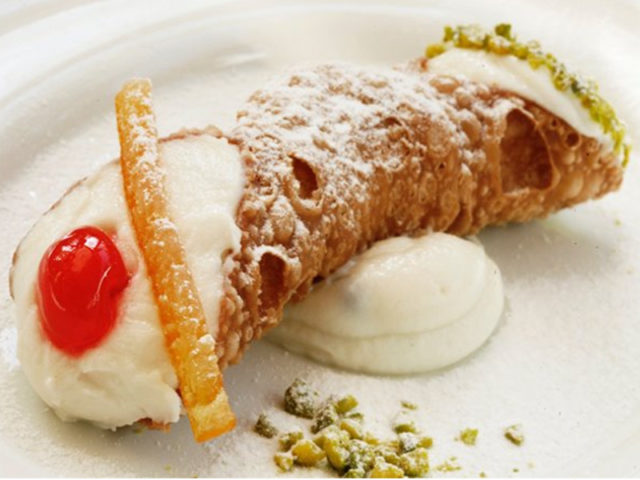
This past weekend I attended the John Felice Rome Center study trip to Sicily. Although I am a lover of fish, of which I had plenty in Sicily, I promised myself that I would not board the plane back to Rome before trying one particular Sicilian dessert: un cannolo. Un cannolo, known as a cannoli in America, is a dessert made by filling a fried pastry dough tube with sweetened ricotta cheese or cream. However, many Sicilian’s would argue that a “true” cannolo is made with ricotta cheese, not cream. According to JustSicily.it, the modern day cannolo was invented in the central Sicilian town of Caltanissetta by Arabs in Sicily. The Arabs introduced cane sugar to the region and incorporated the Sicilian’s ricotta cheese from sheep’s milk into the dessert.
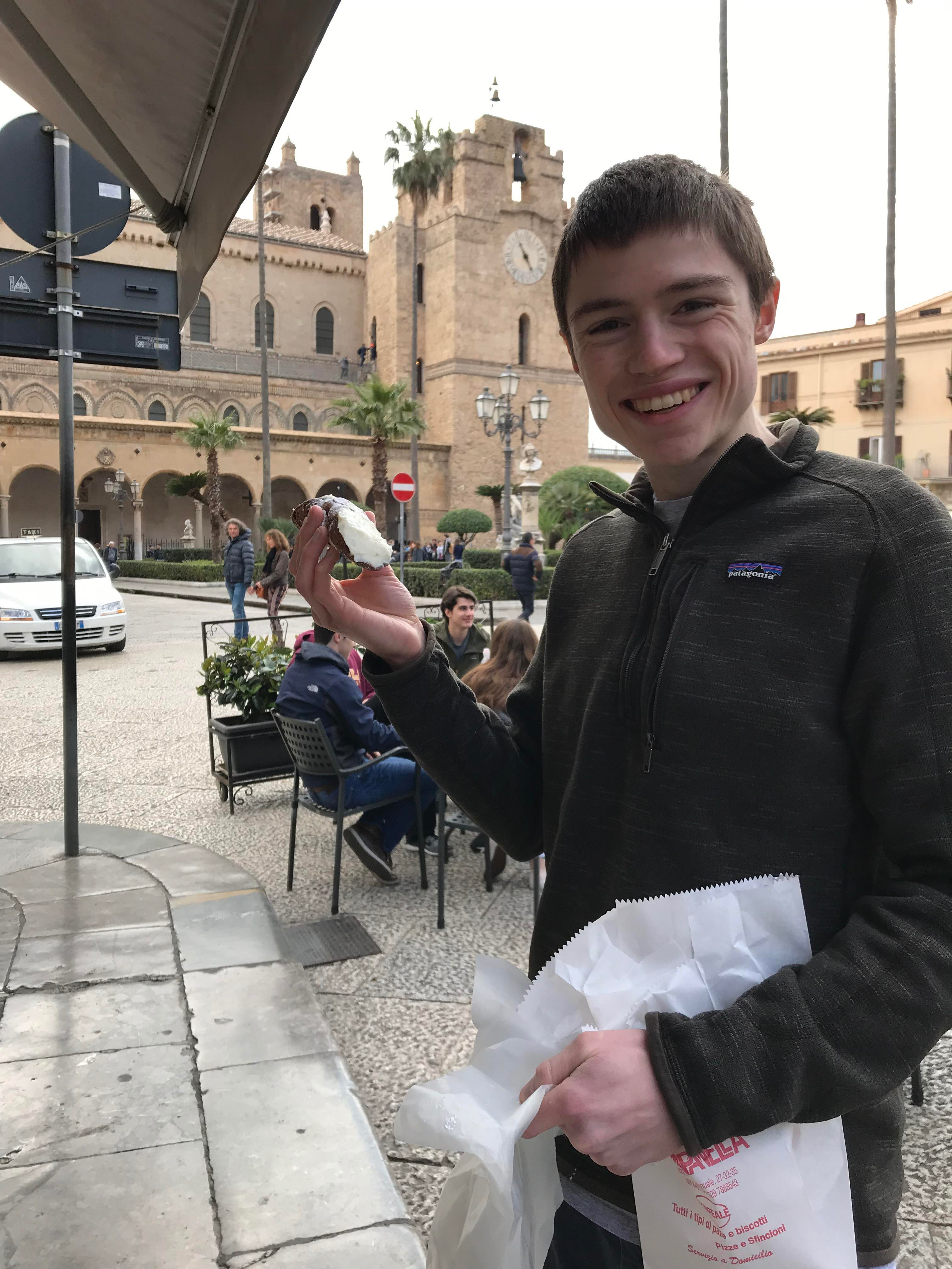
Upon arriving to the town of Monreale, just south of Palermo, we had some free time to explore the quaint Sicilian town. I was immediately on the hunt for a real Sicilian cannolo. After getting off the main piazza, I headed for the first bakery I saw. Stepping inside, I was greeted by the charming Sicilian family who owned the bakery, all hard at work behind the counter. I ordered “un cannolo” and after a few minutes the baker emerged from the back with the freshly filled pastry. I paid the two Euros and, after returning to the main piazza, I opened up the bag and dug in. The cannolo was one of the best pastries I have ever had. The sweetness of the ricotta cheese and powdered sugar perfectly complemented the savory fried pastry dough casing. I could also tell the pastry was filled with fresh ricotta just moments before. After finishing the cannolo, since all good things must sadly come to an end, I thought about the main ingredient of the dessert: the ricotta cheese. I did not know much about this type of cheese, but the Sicilian’s ability to sweeten it and make it into such an amazing dessert peaked my interest.
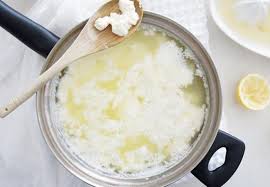
Later that week, I found out in my food and wine class’ cheese making presentation that ricotta cheese gets its name due to the process of making the cheese. “Ricotta” means cooked twice because the cheese is first heated like traditional cheese, with milk, and then heated again with the leftover milk whey. While Italians favor using sheep’s milk for ricotta cheese, Americans favor using cow’s milk. According to recipes.howstuffworks.com, the ricotta in a cannolo is blended until smooth with cane sugar and then used to fill the fried pastry dough casing. Seems like a simple enough dessert, consisting of fried dough casing and sweetened cheese, but the authentic Sicilian combination creates a sweet and savory combination that makes me want to fly back just to have another!
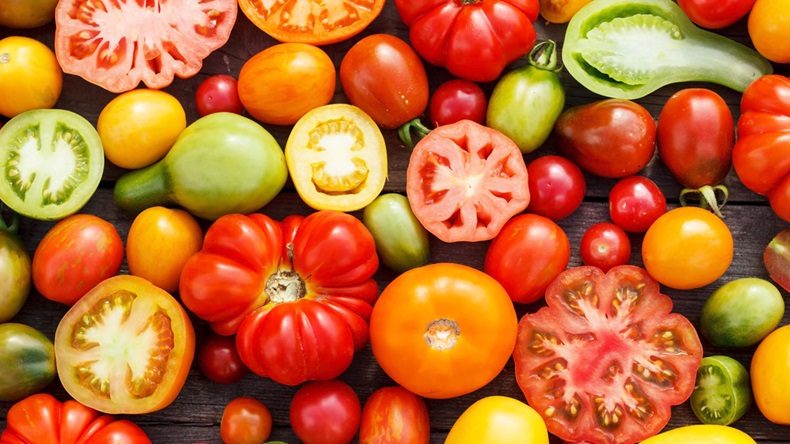
As I bit into the delicious crunch of the bruschetta, the juicy, fresh tomatoes met my taste buds. La Fraschetta di Mastro Giorgio, the Testaccio trattoria I was in, did not disappoint when it came to serving the freshest tomatoes. As I ate the bruschetta antipasto, I could not help thinking about all of the Italian dishes I had eaten that contained tomatoes. From the Pasta alla pomodoro I had in Campania to the rice-stuffed tomato I enjoyed at a Tavola Calda just a few days before, it seemed to me that Italians have found a seemingly endless amount of ways to use tomatoes. With such an extensive use of this one food in so many Italian recipes, one would naturally expect the tomatoes to be as deeply rooted in Italian agricultural history as grapes and olives. However, this is far from the case. In fact, Italians did not even want to touch the tomato when it first arrived in Europe in the mid 1500’s.
When explorers of the new world arrived back in Europe from their voyages, they returned with a number of new foods. Although Europeans in general were skeptical of these new foods, they were perhaps most skeptical of the tomato from the Central America region. The first reason, according to Smithsonian.com, was because the tomato was classified as “a deadly nightshade, a poisonous family of Solanaceae plants that contain toxins called tropane alkaloids.” Second, this food was very watery and therefore went against Galen’s four humors. This belief, from the Ancient Greek scientist Galen, stated that there were four basic bodily humors, or liquids: yellow bile, black bile, blood, and phlegm. People needed a balance of all four humors for a healthy body. It was thought that watery foods, such as the tomato, would upset this balance and cause bad digestion. Since Italians are obsessed with digestion, many wealthier Italians avoided tomatoes like the plague.
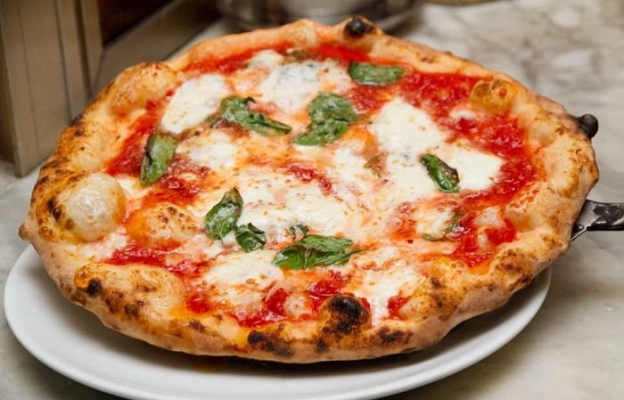
Despite the tomatoes bad reputation in Europe, one group of Italians was brave enough to try the forbidden fruit: peasants. With meager incomes and less ability than the wealthy to be picky about their foods, peasants in Italy added tomatoes to foods as a condiment to liven up their dishes. Perhaps the most famous early use of tomatoes in Italy was by the Neapolitan peasants, who added tomatoes to their flatbreads – the ancestor to modern day pizza. According to New World Encyclopedia, Naples eventually evolved the peasant dish into pizza by the early 1800’s and sold it in pizzerias. When Queen of Margheritaof Savoy tried the dish consisting of basil leaves, mozzarella, and tomatoes (and did not die of poisoning) the Margherita Pizza was named after her and became a legend. After pizza spread throughout Italy, Italians saw it as a food with great potential and started adding it to all kinds of different dishes. Today, tomatoes are an Italian staple and beloved throughout the country. I just wish I could say the same about peanuts, because boy do I miss my American peanut butter…
Walking down the quiet streets of Testaccio, one can see some dramatic contrasts from the rest of the city of Rome. The buildings differ from most of Rome’s old, ornate, and architecturally unique structures. Apartments, shops, and businesses reminiscent of factories and warehouses are spread throughout the town. Local children play calcio in the piazzas as old men sit and chat on benches nearby. Small family-owned Trattorias line the streets with no waiters outside haggling tourists to enter. In fact, tourists, while still present, are much less concentrated in Testaccio than in most other areas of Italy’s capital city. In the heart of Testaccio, the lively market breaks the usual quite of the area and booms with excitement as vendors selling everything from leather goods to fresh deli meats bargain with local costumers and captivated tourists. While Testaccio may seem to be a humble and charming small part of Rome at first glance, reminders of its rich and elusive history are always in front of you. From Monte Testaccio to the Ex-Mattattoio Art Museum, structures emerging from the neighborhood’s past are around every corner. Linked with Testaccio’s rich historical past, the neighborhood’s modern cuisines, an essential part of Testaccios modern identity, are inextricably connected to the neighborhoods past functions. Each of the three main chapters of Testaccio’s history: a port during the Roman Empire, a farmland after the Empire’s fall, and a meat district during the area’s “rebirth,” has influenced key aspects of the neighborhood’s cuisines.
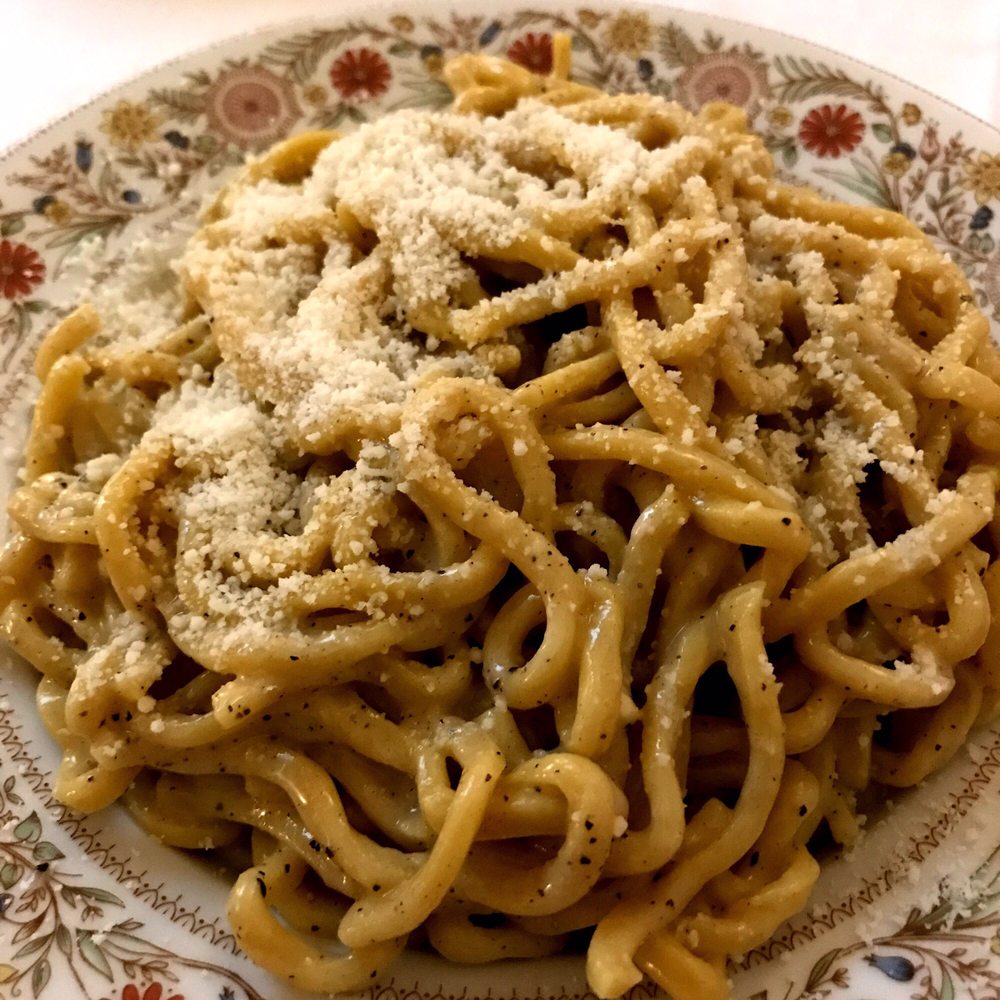
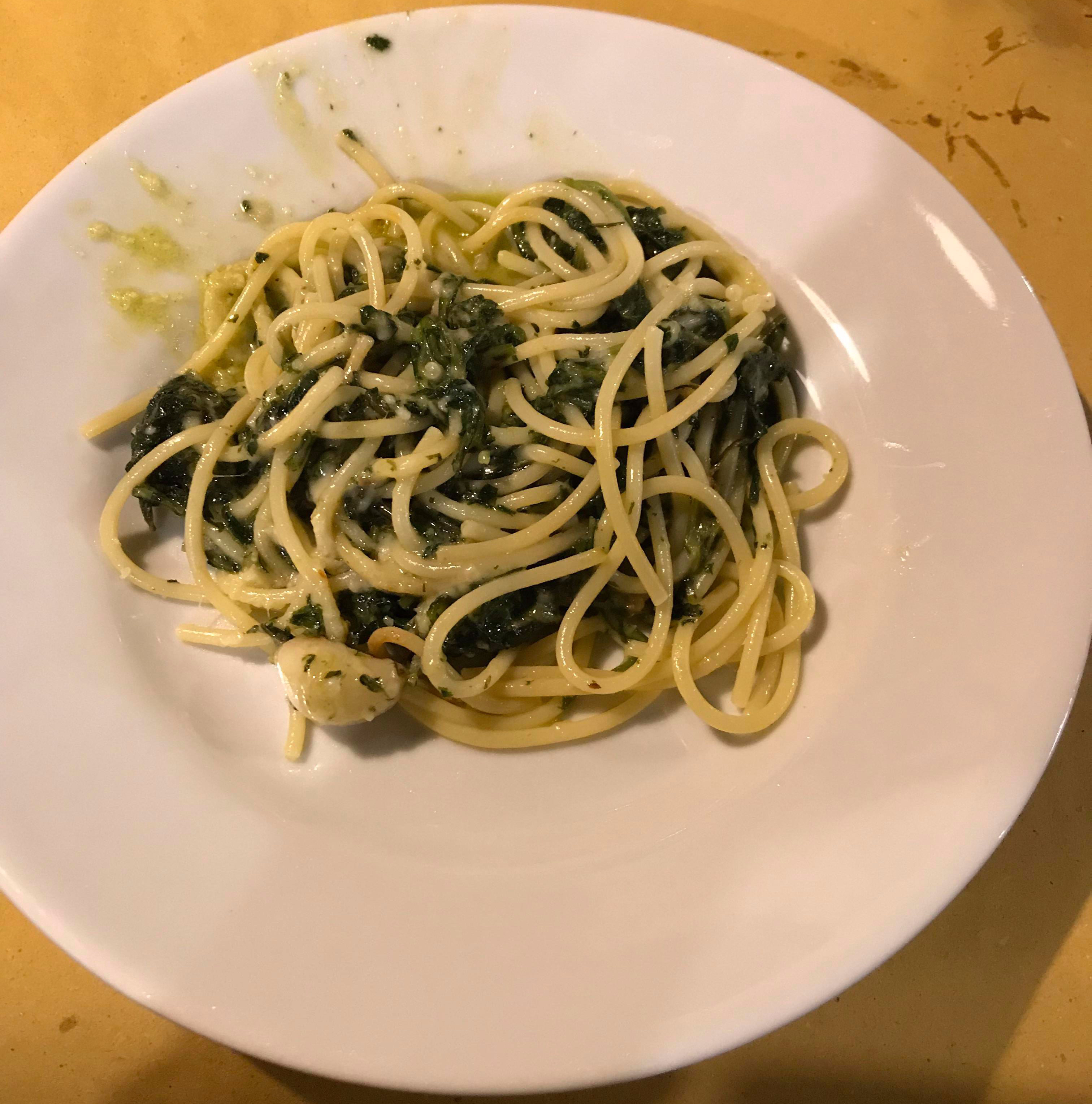
One Saturday night, my friends and I decided to take a break from the more chaotic parts of Rome and settle down for a dinner in one of Testaccio’s charming trattorias: La Fruschetta di Mastro Giogio. After sitting down at the local family establishment, I noticed a common theme: every pasta on the menu’s “Primo” list had olive oil. In fact olive oil was the first ingredient listed under almost every pasta! I ordered the cacio e pepe pasta, a classic spaghetti Roman style pasta with olive oil, garlic, chili pepper, chicory, and pecorino romano cheese. As the plate was set down in front of me, I could tell the one ingredient that the cook did not skimp out on was olive oil (and rightfully so because the cacio e pepe was delicious!). But besides being an amazing condiment, why is it that Romans and Testaccians alike use such large amounts of olive oil in food? The answer goes all the way back to the culinary practices of the Ancient Roman Empire.
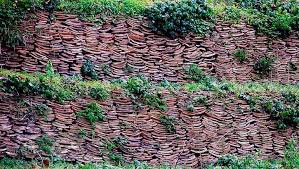
Olive oil was an essential staple to Roman diets for citizens of all social classes. In ancient Rome, soldiers and the peasantry were fed by the state. Although the military and civilian masses did not receive ingredients for cooking fancy dishes, they always received food stipends of olive oil, along with bread, wine, and some pork (Corbier 129-130). The wealthy Romans, while cooking with more meat and exotic spices, also used large amounts of olive oil for cooking and as a base for many dishes. Eventually, the demand for olive oil in the city of Rome grew to be so large, that vast amounts of olive oil had to be shipped in from places abroad such as Betica, modern day Spain (Ramieri). Testaccio’s strategic location on the Tiber River and just outside of the city walls made it an obvious choice for a docking area. The large amount of amphorae pots used to ship the oil were not re-usable, so a large mound was created behind the port made up of thousands of stacked amphorae pots (Peña 4590). The immense ancient garbage dump is today known as Monte Testaccio and sits in the center of the neighborhood as a reminder of the area’s ancient purposes. The monument also serves as a reminder that if there is one practice Italians have kept in their cooking since Ancient Rome, it is the generous use of olive oil. In fact a survey conducted by Gambero Rosso (an Italian food magazine) found that Italians view olive oil as the second most important Italian food, right after Parmigiano Reggiano cheese (Parasecoli 262)!
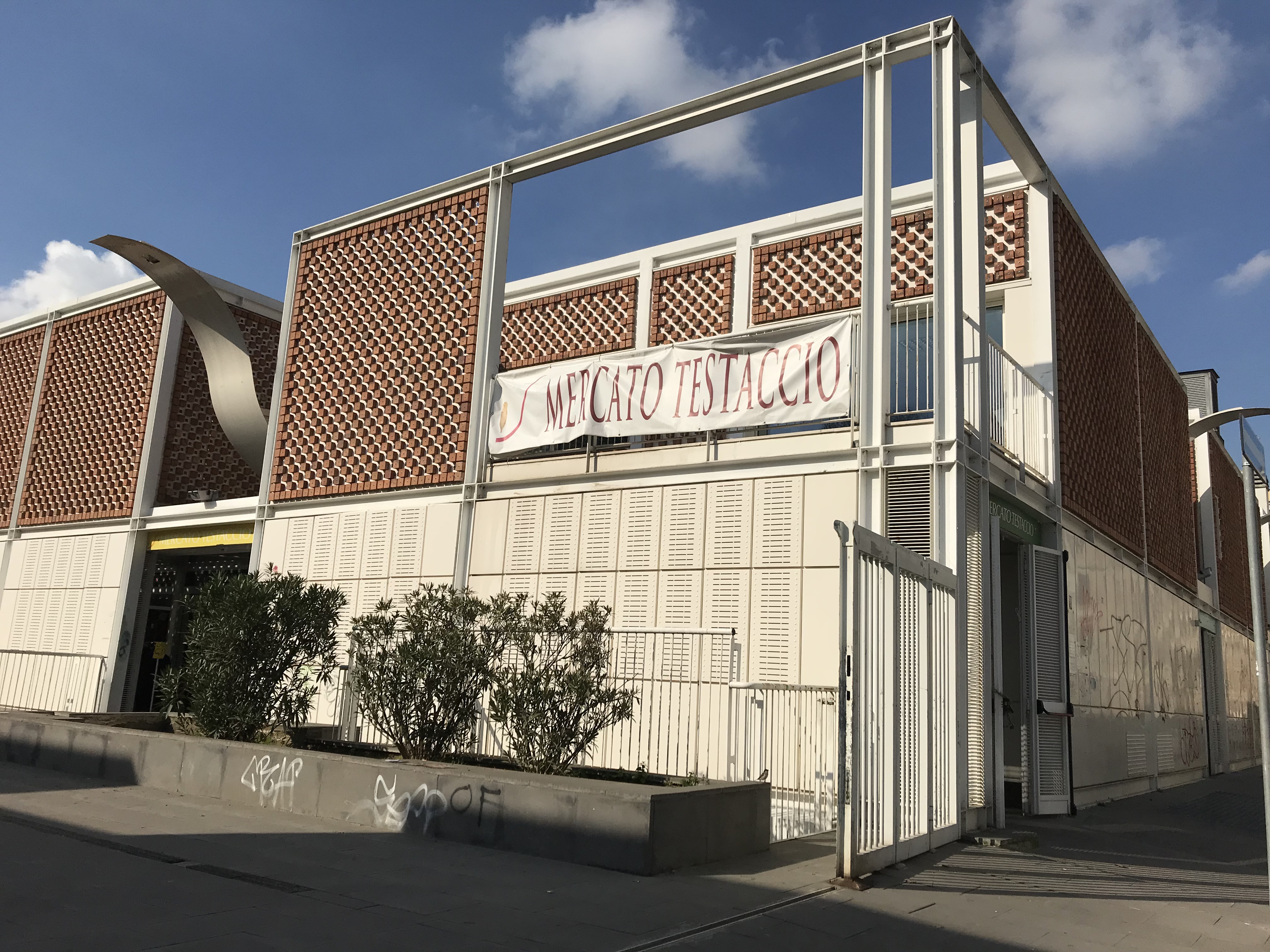
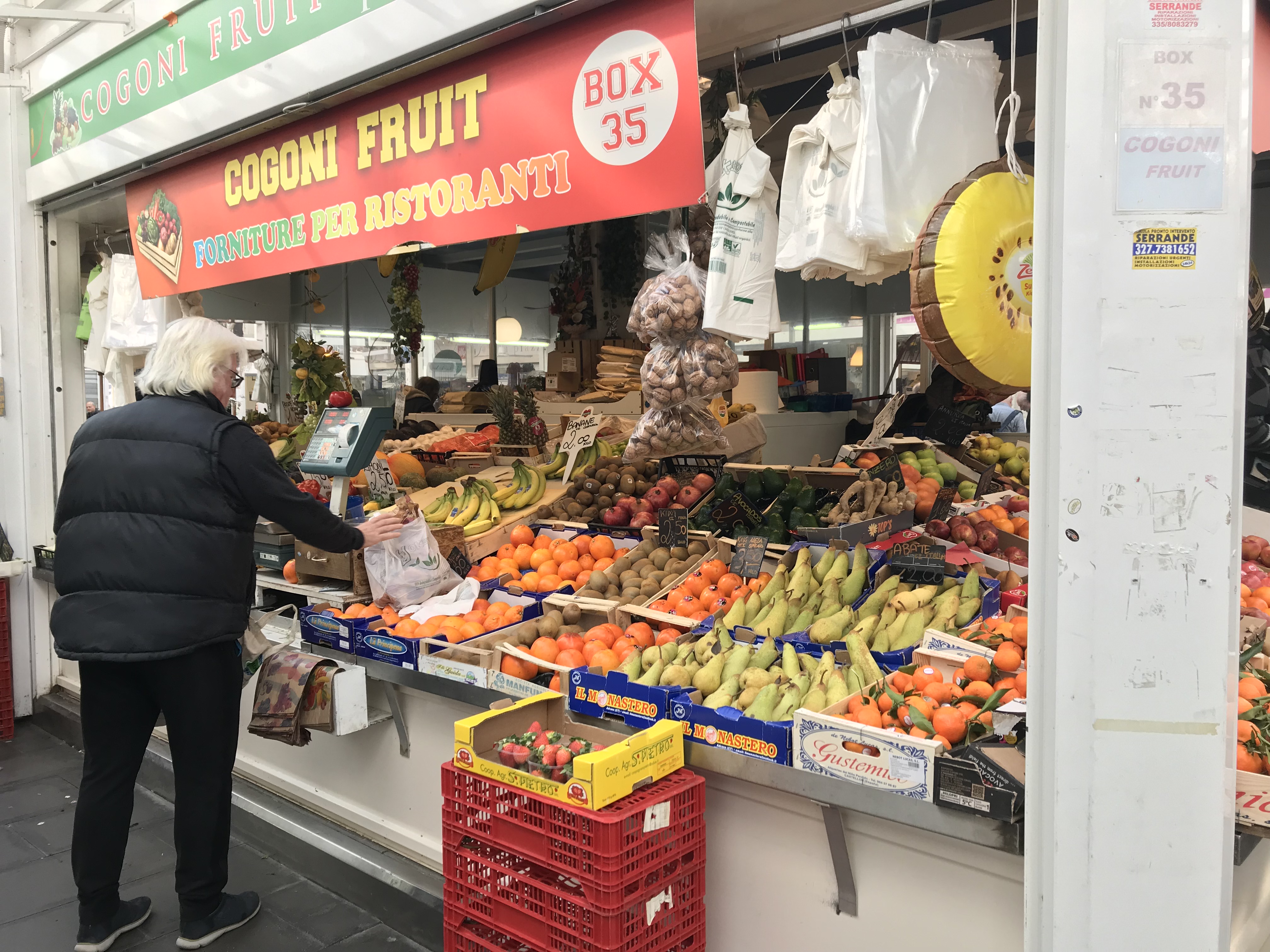
Earlier in the day, as I walked around the Testaccio neighborhood in search of a trattoria that was available for dinner that Saturday night, I decided to stop at the local Mercato Testaccio. From the outside, the market seemed to be not much more than a medium sized, one-floored warehouse. However, once I walked in, the space transformed into a rousing display of enthusiastic vendors selling merchandise from end to end. Leathered goods, glass wear, food, produce, and more filled the space. The contrasting smells of fruits, deli meats, and fresh fish filled the air as patrons and merchants bargained over their products. Although stalls of almost every good imaginable could be found in the market, fruit and vegetable stalls seemed to be the most numerous, selling only the freshest produce of the season. The quantity and quality of the fruits and vegetables in the market was astounding to me. The Romans had access to a truly amazing array of excellent produce!
This abundance and quality of produce in the market stalls can be traced back to Ancient Roman times, when the Roman diets relied heavily on agriculture and farming of the “ager” or productive and controlled farmlands (Steel 16-17). Their dedication to farming produced only the best methods of cultivation and harvesting for local fruits and vegetables. When the Roman Empire fell, the port of Emporium in modern day Testaccio was essentially abandoned and farming remained an essential source of food. Archeological evidence clearly shows agricultural use of Testaccio during the Middle Ages and renaissance (Sebastiani). Today, the emphasis on locally grown, seasonal food is still alive in Rome as was apparent by the abundant supply of delicious looking winter fruits and vegetables of Mercato Testaccio.
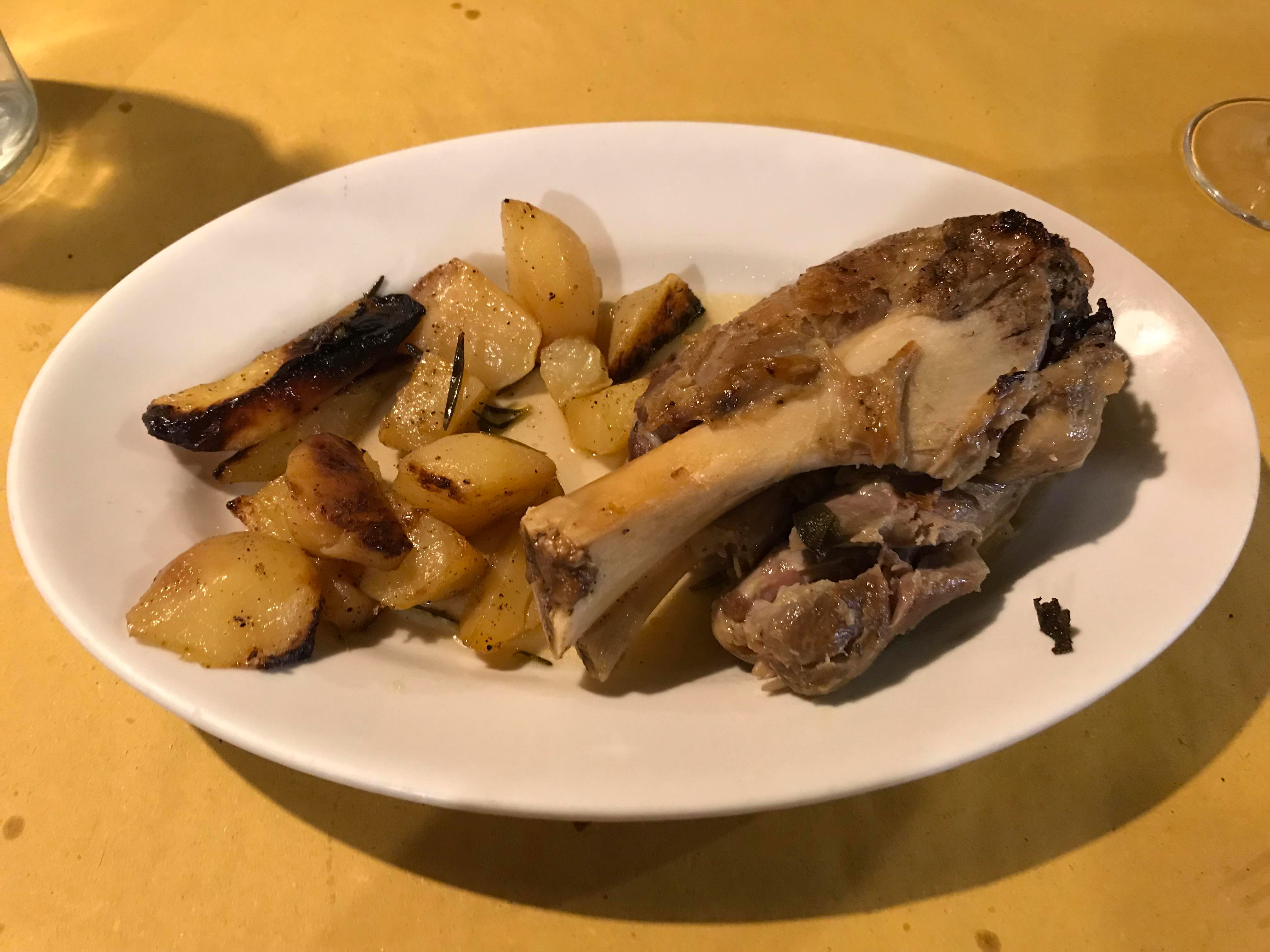
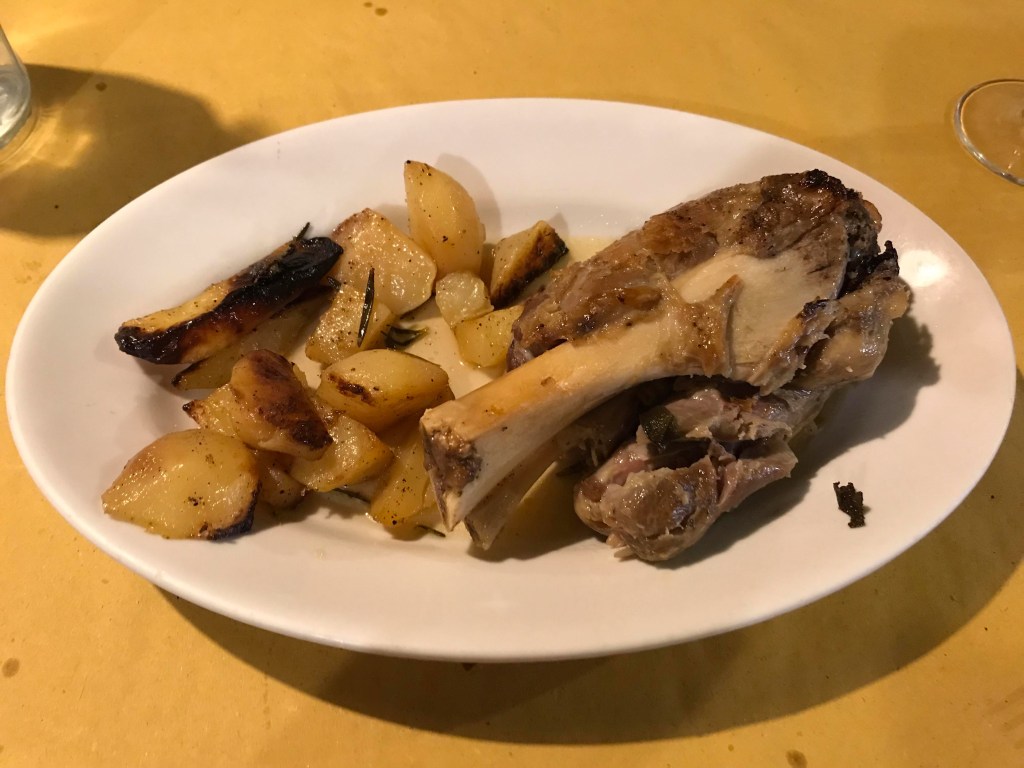
While I was impressed with Testaccio’s outstanding variety of local produce, olive oil, and pasta, I still was anxious to try one of the unique meat dishes that were famous in the neighborhood. As I browsed yelp.com and trip advisor for potential trattorias in Testaccio to visit, I repeatedly stumbled across some very distinct types of dishes on the trattorias’ menus. The different cuisines included ossobuco (veal shin and marrowbone), coda alla vaccinara (ox tail), and la trippa (tripe or the lining of a cow’s stomach). I was personally intrigued by the stinco di maile (pork knuckle) and decided to order it for dinner. Although I was questioning my choice at first, the tender and juicy pork fell right of the bone and was amazingly savory. It turned out to be one of the best things off a pig I have ever eaten! While Testaccio’s interesting choices for meat dishes may raise some eyebrows, these delicious creations can be traced back to Tesstaccio’s “rebirth” as the Roman meatpacking and slaughterhouse district in the late 19thand early 20thCenturies.
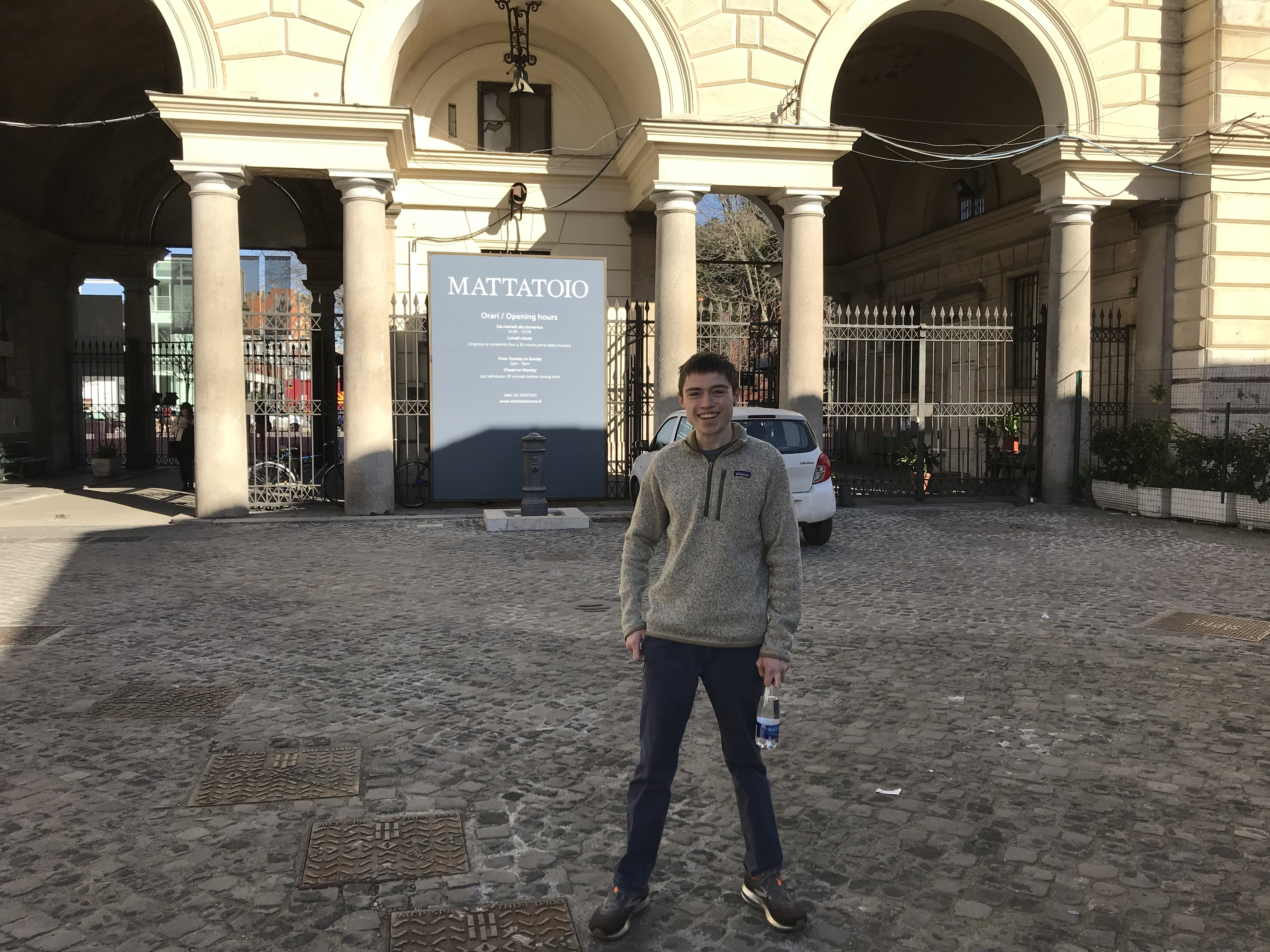
After the entire Italian Peninsula was unified and became the nation of Italy in 1870, Rome was declared the capital city. At the time, the city of Rome was only the fifth most populous in Italy with only 212,000 inhabitants, and did not boast any great advantage in trade, technology, or industry (Agnew 229-230). However, Rome was built up immensely after being declared the nation’s capital city. Infrastructure projects, investment, government officials, and new businesses poured into Rome with a fervor not seen since the Roman Empire. The city’s population tripled by 1921, becoming home to over 660,000 people (Agnew 230). With this drastic increase in population came a drastic increase in demand for food. Meat had increasingly become a staple for many European diets throughout the Middle Ages and Renaissance. In response, many European cities started to create large slaughterhouses at the edge of their city. Rome followed suit and chose the almost deserted neighborhood of Testaccio for the new city slaughterhouse: Il Mattatoio. The employees of the slaughterhouse were often given the less desirable parts of animals, such as tripe and tails, as part of their pay (Baldwin). Along with the establishment of the new slaughterhouse in 1890, the city also built many social housing structures to accommodate the blue collar Romans employed in the Testaccio area (Brown et. al.).
The concentration of Il Mattatoio workers in one neighborhood, the Italian love for food, and the large availability of the somewhat odd animal meat products resulted in a wide variety of recipes and dishes using tripe, ox tail, and other curious animal parts. Although the neighborhood was deemed as undesirable for families at first, the success of industries and meat businesses in the area allowed the area to become much more family friendly as Rome’s boundaries grew and more adequate housing was set up. As a result, the dishes that slaughterhouse workers created from their available animal rations became household favorites in the residential Testaccio neighborhood. Il Mattatoio was closed down in 1975 after Rome’s city limits swelled passed modern day Tesstaccio and slaughter houses were moved to the fringes of Rome’s modern day city limits (Brown et. al.). However, the innards of various work and farm animals remained on the tables of Tesstaccio’s families and eventually made their way into the area’s trattorias.
The various and unique dishes and culinary practices of Tesstaccio may seem to be a mystery at first. However, by looking into the different chapters of the neighborhood’s history, one can easily see how each chapter has influenced a key aspect of the neighborhood’s cuisines. From its use as a port for olive oil and trade in the Roman Empire, to a humble farmland for fruits and vegetables in the Middle Ages, to a slaughterhouse district providing Rome’s meat in the 20thCentury, Testaccio’s rich historical past and present culinary traditions are inseparably linked.
Word Count: 1,631
Works Cited
Agnew, John. “The Impossible Capital: Monumental Rome under Liberal and Fascist Regimes, 1870-1943.” Geografiska Annaler Series B: Human Geography, vol. 80, no. 4, Dec. 1998, p. 229. EBSCOhost, doi:10.1111/j.0435-3684.1998.00042.x.
Baldwin, Eleonora. “Testaccio Minus Innards.” The American Mag, The American In Italia, 21 Mar. 2018, theamericanmag.com/testaccio-minus-innards/.
Brown, Andrew, et al. “The Ex Mattatoio of Testaccio Former Slaughterhouse.” Academia.edu, Academia, 2012.
Corbier, Mireille. “Chapter 11: The Broad Bean and the Moray Social Hierarchies and Food in Rome.” Food: A Culinary History from Antiquity to the Present, Penguin Books, 1999.
Parasecoli, Fabio. Al Dente: a History of Food in Italy. Reaktion Books, 2014.
Peña, J. Theodore. “Monte Testaccio.” The Encyclopedia of Ancient History – Peña – Wiley Online Library. John Wiley & Sons, Inc.
Ramieri, A. M. “Monte Testaccio.” Edificio Delle Poste, Il Museo Diffuso Del Rione Testaccio , romearcheomedia.fub.it/testaccio/english/luoghi/MonteTestaccio/index.html.
Sebatiani, R. “Nuovo Mercato Testaccio.” Edificio Delle Poste, Il Museo Diffuso Del Rione Testaccio , romearcheomedia.fub.it/testaccio/english/luoghi/MercatoTestaccio/index.html.
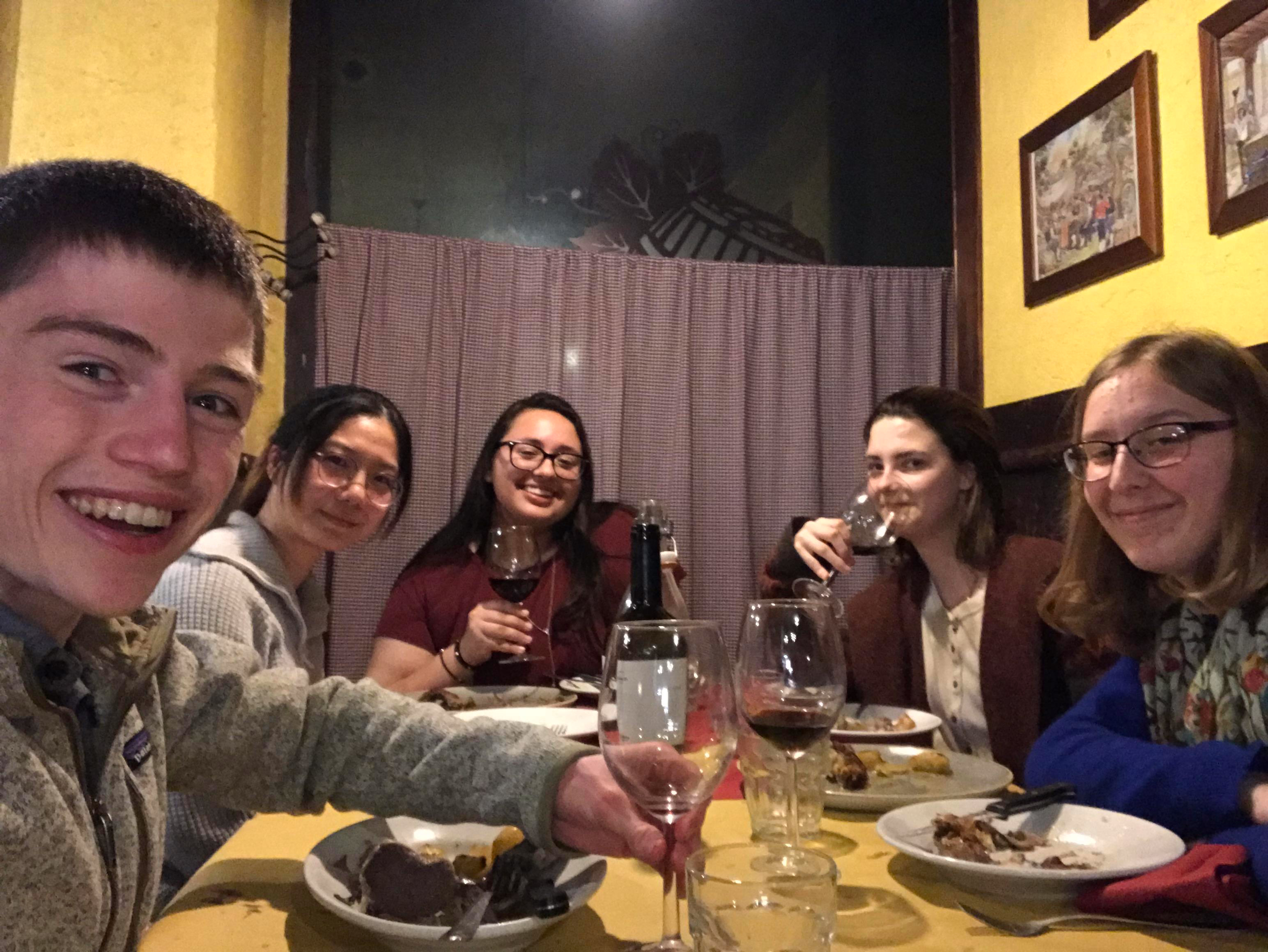
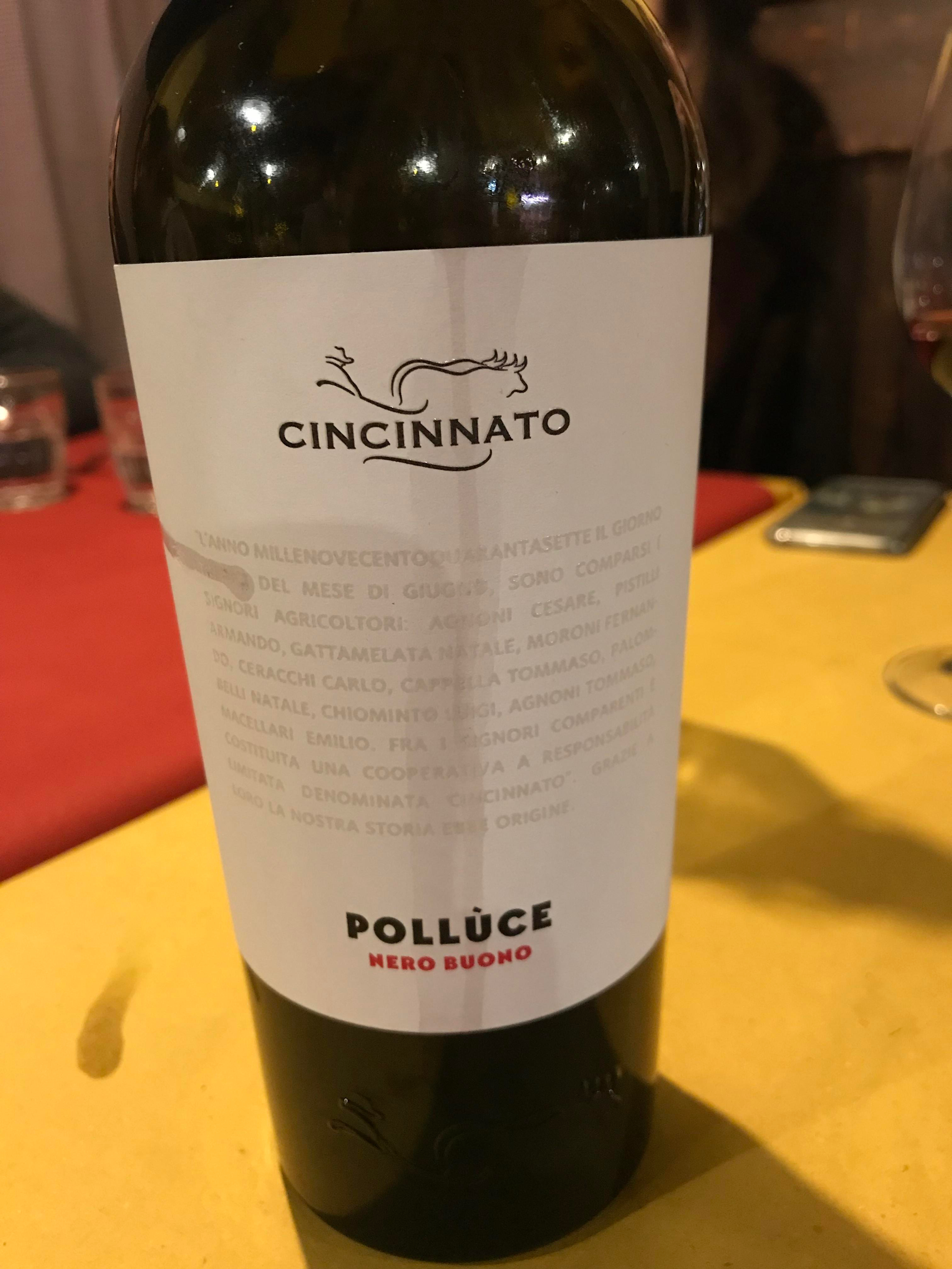
This weekend my friends and I were determined to have dinner at a restaurant with authentic Roman cuisine. We decided to visit the neighborhood of Testaccio, known for its classic Roman pastas as well as its interesting meat dishes. After a persistent search for an authentic Roman restaurant with availability on Saturday night in Testaccio, I was able to make a reservation at La Fruschetta di Mastro Giorgio. Although I was eager to dive right into the food menu to see the interesting meat cuisines I had heard were famous in Testaccio, my friends and I decided to first get a bottle of wine for the table. We asked the waiter for a red wine recommendation native to the Lazio region. Without hesitation, he quickly pointed to a wine with a grape I had never heard before: Pollùce wine produced by Cincinnato with 100% Nero Buono grapes. After the waiter poured the wine I decided to try out some of the wine tasting methods I had recently learned in my food and wine class. I first noticed that the wine had somewhere between a rubino rosso and granato rosso color with a “limpido” (clean) clearness and an “abbastanza consistente” (sufficiently consistent) consistency. After waiting for the wine to open up in the glass, I took a whiff. A “molto intenso,” (very intense) tart plum aroma emerged from the glass. The aroma was strong, however I would classify it as “abbastanza complesso” (sufficiently complex). I would describe the aroma itself as “fruttato” (fruity) but also somewhat “tostato” (toasted).
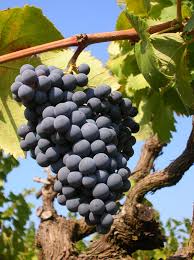
After the first sip, I forgot about the regional food that I had come to the restaurant for and was enthralled with this marvelous new wine I had found. It tasted much like its aroma, but was also very smooth and only had a hint of dryness, which was perfect for me. After our dinner, I had to do some research about the Nero Buono grape that constituted the wine. According to worldsbestwines.eu, Nero Buono is a grape grown almost exclusively in the central Lazio region of Italy in the town of Cori. In fact, the grape is often referred to as Nero Buono di Cori. The grape has thick skin and an intense, dark purple pigment. These factors make the grape demand a high level of care since it is susceptible to rotting and downy mildew in rainier vintages. These traits are probably a large reason why the grape is kept in such a specific part of Lazio and not grown elsewhere. Although the grape’s origins are unknown, there is a local legend that the Roman politician Cincinnatus introduced the grape to the region in the fifth century B.C. Hence the name of the regional producer of Pollùce “Cincinnato.” The grape, like most full-bodied red wines, is recommended to be paired with more juicy and heartier meats, so it went great with the pork knuckle I had for dinner!
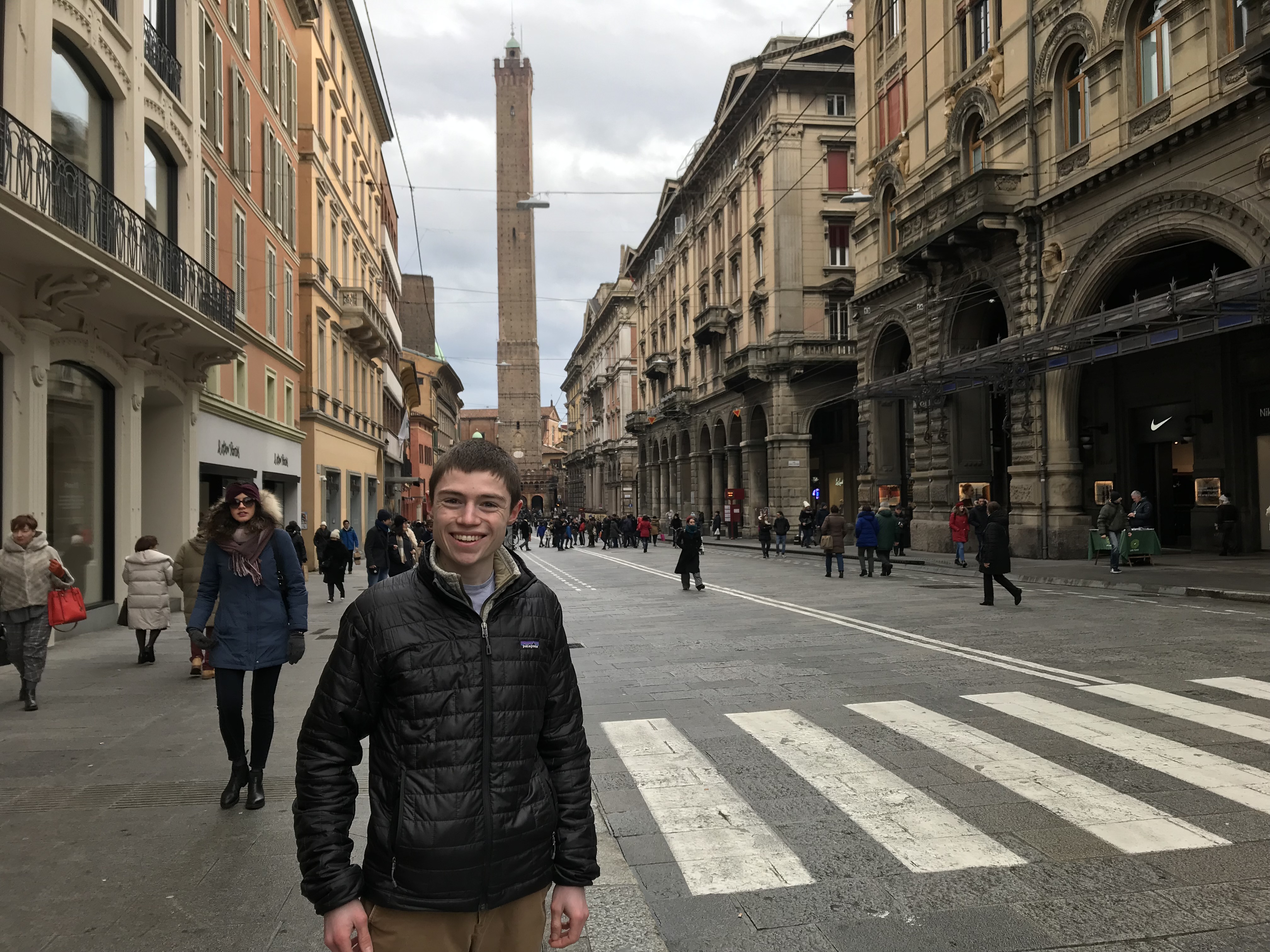
This week I traveled with a group of friends to explore the legendary cuisines of Bologna, Italy. Even though I had astronomically high expectations of the region famous for its ragú (bolognese) sauce and martedela (bologna) meats, I was not disappointed. I could not stop thinking about the cities marvelous meat dishes and ragú sauce I had heard so much about as I rode in on the train. However, during the course of my next three days in the city’s portico-lined streets and tucked away trattorias, I discovered something very interesting about the regional cuisine. I found that the bread and pasta used to accompany the meats in the Emilia-Romagna region (where Bologna is located) were perhaps just as important as the meats themselves.
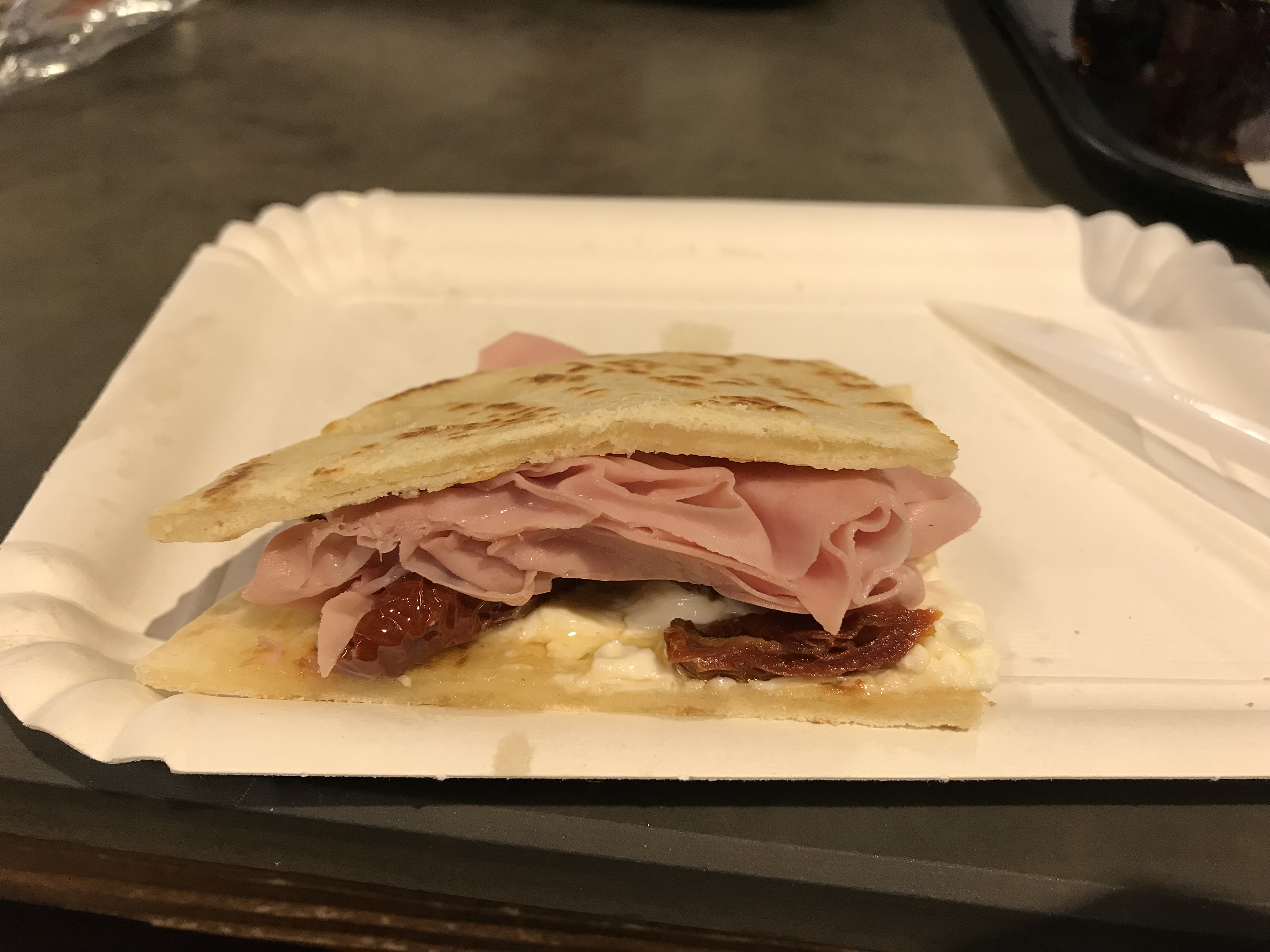
Panino Emiliana
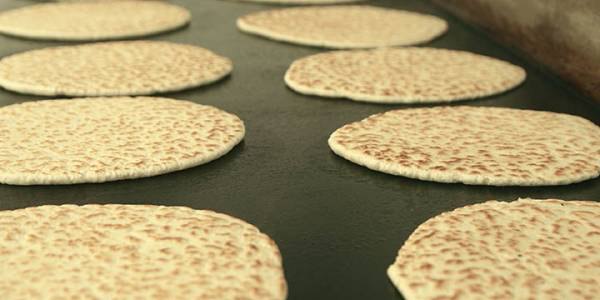
My friends and I decided to try the famous Mercato di Mezzo in Bologna’s city center. The bustling and lively market was bursting with the chatter of patrons and vendors and was filled with the infatuating smells of the freshest meats and pastas of the city. My heart was set on having a panino with mortadella (bologna deli meat). When the deli vendor handed me my “panino emiliano” I noticed that it was on bread I had not seen before: piadina romanga. I later found out that piadina romanga is a food as closely linked to the Emilia-Romanga region as the classical deli meat mortedella. According to piadinaloriana.it, this bread was originally a staple for the poor in the Emilia-Romagna region due to its low cost, simple ingredients and has been made in Emilia-Romagna for centuries. As Solomon H. Kats and William Woys Weaver define in the Encyclopedia of Food and Culture, “At its simplest, [bread] is merely a paste of flour or meal and water cooked or surrounded by heat.” Piadina Romagna is thin, yet soft and fluffy and produced from wheat flour, water, and salt, made by hand, then cooked over a fire. It can therefore be classified as a very simple, yet delicious, bread.
Although simple, this bread is perfect for serving on a mortedella and squacquerone (a cheese) sandwich (or panino emiliana). The thinner yet flavorful pieces did not overwhelm the outstanding mortedella of the sandwich. Much like the piadina romagna bread complemented the mortedella, the fresh pastas of the city seemed to also complement the meats alongside them. The balance and fusion of these two food groups can be traced back to the culinary fusion of the ancient Romans and Germanic tribes of the region. The nomadic German tribes favored meat dishes and hunting for food in what the Romans referred to as the “saltus” (wild and unproductive nature). Romans, who were more sedentary and lived in established city-states, preferred farming in the “ager” (productive and controlled farmland around the polis, or city). The Emilia-Romagna province’s natural mountain barrier splits the province in two, giving the Romans culinary influence over the western half and the Germanic tribes over the eastern half. Overtime, cultural interaction led to culinary fusion, leading to the creation of complimentary meat and bread dishes that go together like mortadela and piadina romagna.
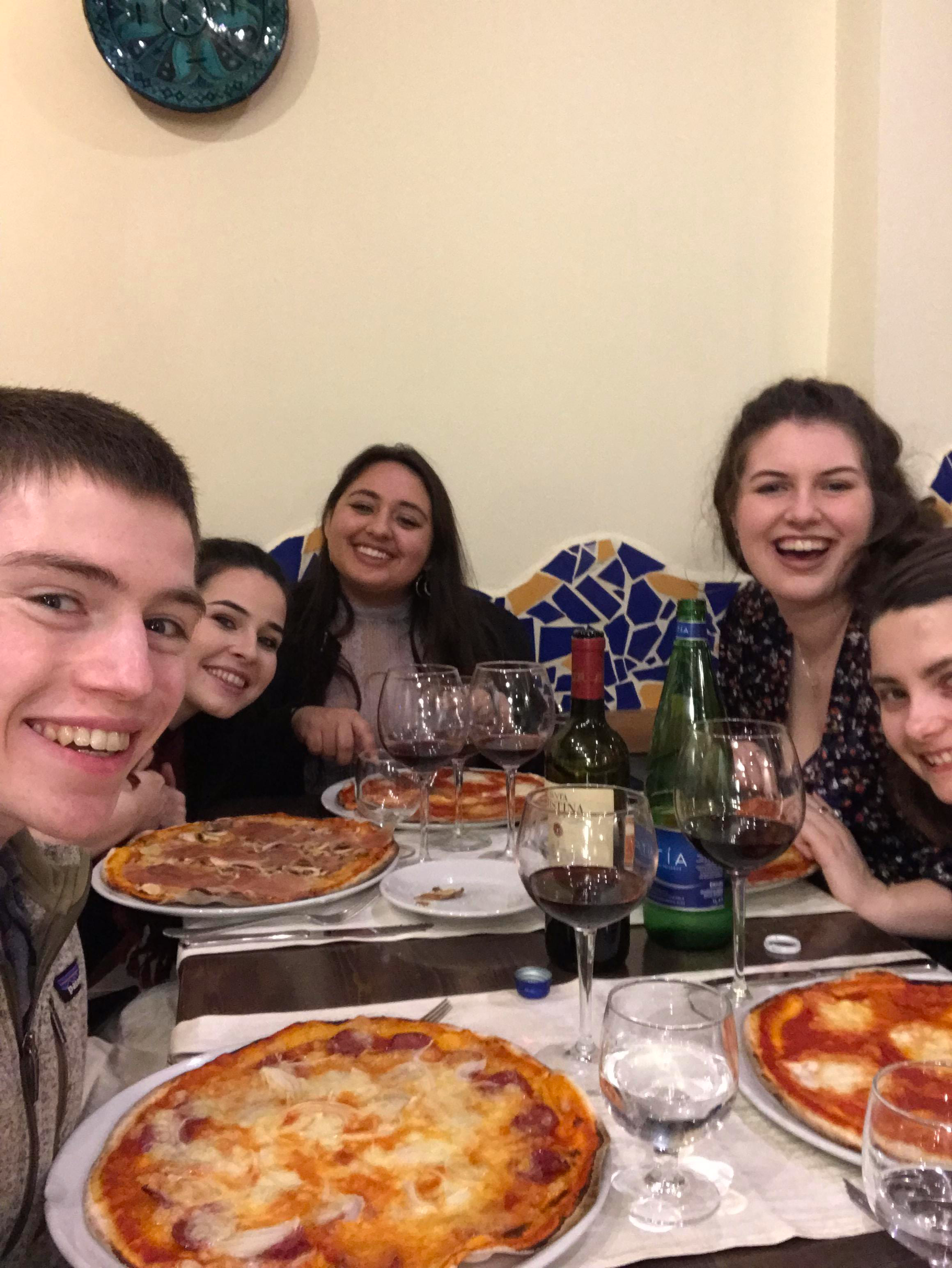
This week, I decided to try one of the most well-known and exported Italian foods of all time: Pizza. It was my friend’s birthday this past weekend and a group of us decided to go out to a local pizzeria named Il Chiodo Fisso, in Balduina. Never having ordered pizza in Italy before, I was used to ordering one or two pizzas for a group and perhaps splitting the pizzas into multiple toppings. However, I was in for a very different experience. After ordering the Pizza Sarda or “Sardinian Pizza” (made with sausage and onions) I anxiously waited, expecting something similar to the soft and thick delicacy that I knew and loved from Chicago. However, the waitress came to our table with five very thin, almost cracker like, pizzas roughly twelve inches in diameter each. After clumsily cutting into the flat pizza disc, my past expectations of pizza had been shattered by this thin-crusted creation. All of the ingredients were fresh, the sausage was hand sliced (instead of ground up) and the dark, crispy ends were irresistible. Intrigued with this delicious new style of pizza, I asked my teacher for the class Italian Culture: Food and Wine, Professor Samari, about the dish. After learning that I had “Pizza Romana,” and about the basic variations in different Italian pizzas, I did some research.
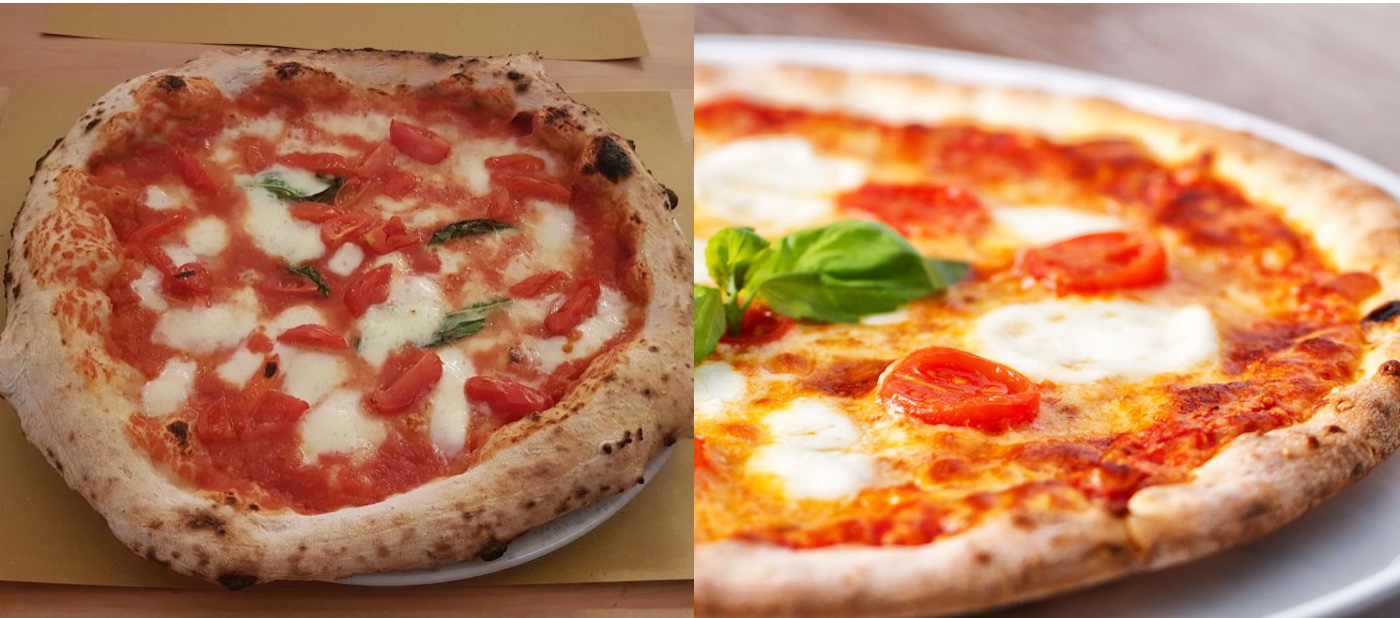
Pizza Romana is the Rome version of the better-known Pizza Napolitana, from Naples. According to Basilico.co.uk, a website specializing in wood fired pizza, the newer thin-crust Pizza Romana is made with flour, water, yeast, salt, and olive oil. After being flattened with a rolling pin, the pizza is cooked at around 350 degrees Fahrenheit until crisp. The cooking of the more tradition and well-known Pizza Napolitana, however, is actually regulated by an association called the Associazione Pizzaiuoli Napoletani (the “Association of Neapolitan Pizza”) colloquially know as the “pizza police.” To be able to say a pizza is “authentic” Pizza Napolitana, the crust must be made from only water, yeast, salt, and flour. Furthermore, the pizza must be cooked on the bottom of a wood-burning oven, with a stone bottom, at 800 degrees Fahrenheit for only 50 to 90 seconds. This, along with the elimination of olive oil, gives the pizza a softer and more risen dough than its cousin Pizza Napolitana.
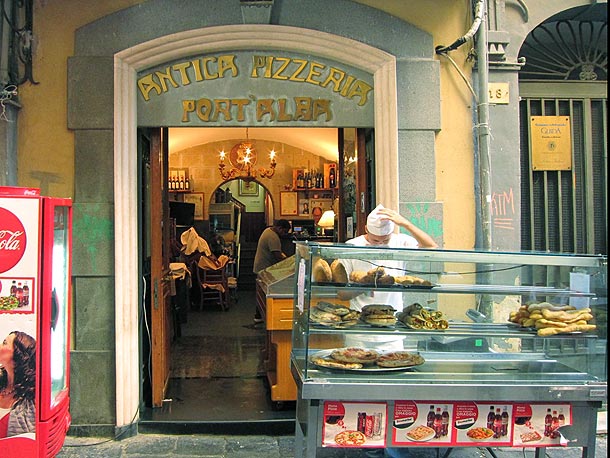
These regional differences in pizza stem from the evolution of the much older Pizza Napolitana as well as Rome’s interest and experimentation with the dish. According to New World Encyclopedia, the poorer southern Italians of the 1700’s created pizza’s ancestor by putting tomato sauce on bread. This inexpensive dish was eventually upgraded with cheese, vegetables, and even meats. Pizza was then sold by street vendors in Naples until the first pizza restaurant, Antica Pizzeria Port’Alba, opened in 1830 and still exists today! Eventually, pizza became a popular dish throughout Italy and Rome decided to make its own thinner variation, which became popular in the post World War Two period. These two different pizzas, made in two different regions, gave rise to the regional names “Pizza Romana” and “Pizza Napolitana” in order to separate the different dishes and highlight regional linkages to the foods. In the book Al Dente: A History of Food in Italy, writer Fabio Parasecoli describes this food regionalism as linked to the Italian concept of “Campanilismo.” This concept refers to Italians’ love, pride, and close attachment to their local city and region. It is much more common for Italians to identify themselves in terms of a city, such as “Romano” or “Napolitano” rather than as Italians. This concept also expands to the foods cooked and sold in particular regions. “Campanilismo” and its effect on the regional emphasis on food is why you will never see an authentic Italian dish ending with “all’Italiana.” Instead there is Agnolotti alla Toscana, bistecca Fiorentina, and, of course, Pizza Romana.


 Le Avventure Del Cibo e Il Vino D'Italia