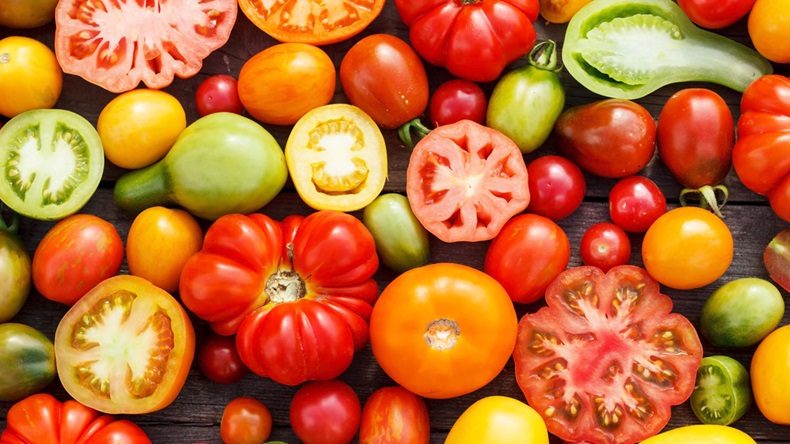
As I bit into the delicious crunch of the bruschetta, the juicy, fresh tomatoes met my taste buds. La Fraschetta di Mastro Giorgio, the Testaccio trattoria I was in, did not disappoint when it came to serving the freshest tomatoes. As I ate the bruschetta antipasto, I could not help thinking about all of the Italian dishes I had eaten that contained tomatoes. From the Pasta alla pomodoro I had in Campania to the rice-stuffed tomato I enjoyed at a Tavola Calda just a few days before, it seemed to me that Italians have found a seemingly endless amount of ways to use tomatoes. With such an extensive use of this one food in so many Italian recipes, one would naturally expect the tomatoes to be as deeply rooted in Italian agricultural history as grapes and olives. However, this is far from the case. In fact, Italians did not even want to touch the tomato when it first arrived in Europe in the mid 1500’s.
When explorers of the new world arrived back in Europe from their voyages, they returned with a number of new foods. Although Europeans in general were skeptical of these new foods, they were perhaps most skeptical of the tomato from the Central America region. The first reason, according to Smithsonian.com, was because the tomato was classified as “a deadly nightshade, a poisonous family of Solanaceae plants that contain toxins called tropane alkaloids.” Second, this food was very watery and therefore went against Galen’s four humors. This belief, from the Ancient Greek scientist Galen, stated that there were four basic bodily humors, or liquids: yellow bile, black bile, blood, and phlegm. People needed a balance of all four humors for a healthy body. It was thought that watery foods, such as the tomato, would upset this balance and cause bad digestion. Since Italians are obsessed with digestion, many wealthier Italians avoided tomatoes like the plague.
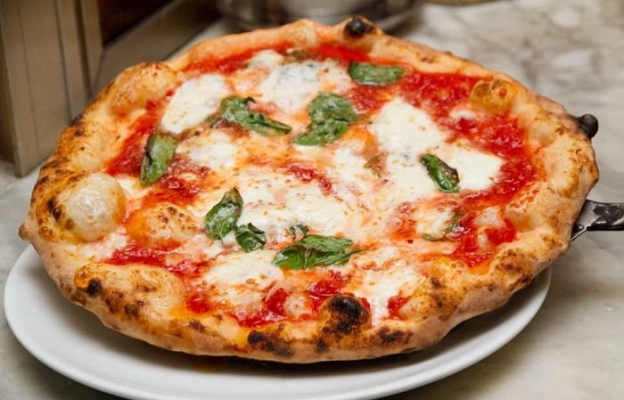
Despite the tomatoes bad reputation in Europe, one group of Italians was brave enough to try the forbidden fruit: peasants. With meager incomes and less ability than the wealthy to be picky about their foods, peasants in Italy added tomatoes to foods as a condiment to liven up their dishes. Perhaps the most famous early use of tomatoes in Italy was by the Neapolitan peasants, who added tomatoes to their flatbreads – the ancestor to modern day pizza. According to New World Encyclopedia, Naples eventually evolved the peasant dish into pizza by the early 1800’s and sold it in pizzerias. When Queen of Margheritaof Savoy tried the dish consisting of basil leaves, mozzarella, and tomatoes (and did not die of poisoning) the Margherita Pizza was named after her and became a legend. After pizza spread throughout Italy, Italians saw it as a food with great potential and started adding it to all kinds of different dishes. Today, tomatoes are an Italian staple and beloved throughout the country. I just wish I could say the same about peanuts, because boy do I miss my American peanut butter…


 Le Avventure Del Cibo e Il Vino D'Italia