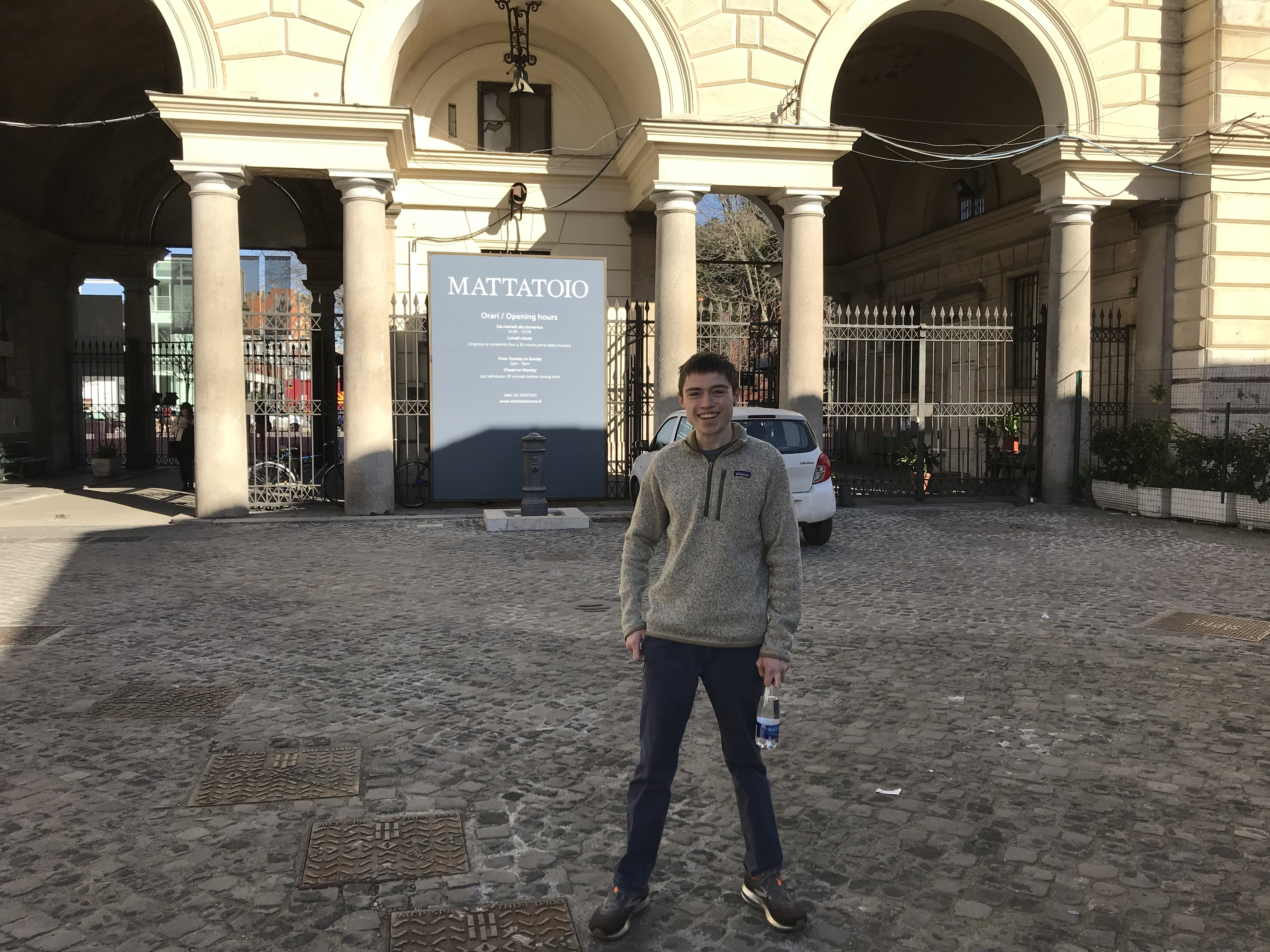
Walking down the quiet streets of Testaccio, one can see some dramatic contrasts from the rest of the city of Rome. The buildings differ from most of Rome’s old, ornate, and architecturally unique structures. Apartments, shops, and businesses reminiscent of factories and warehouses are spread throughout the town. Local children play calcio in the piazzas as old men sit and chat on benches nearby. Small family-owned Trattorias line the streets with no waiters outside haggling tourists to enter. In fact, tourists, while still present, are much less concentrated in Testaccio than in most other areas of Italy’s capital city. In the heart of Testaccio, the lively market breaks the usual quite of the area and booms with excitement as vendors selling everything from leather goods to fresh deli meats bargain with local costumers and captivated tourists. While Testaccio may seem to be a humble and charming small part of Rome at first glance, reminders of its rich and elusive history are always in front of you. From Monte Testaccio to the Ex-Mattattoio Art Museum, structures emerging from the neighborhood’s past are around every corner. Linked with Testaccio’s rich historical past, the neighborhood’s modern cuisines, an essential part of Testaccios modern identity, are inextricably connected to the neighborhoods past functions. Each of the three main chapters of Testaccio’s history: a port during the Roman Empire, a farmland after the Empire’s fall, and a meat district during the area’s “rebirth,” has influenced key aspects of the neighborhood’s cuisines.
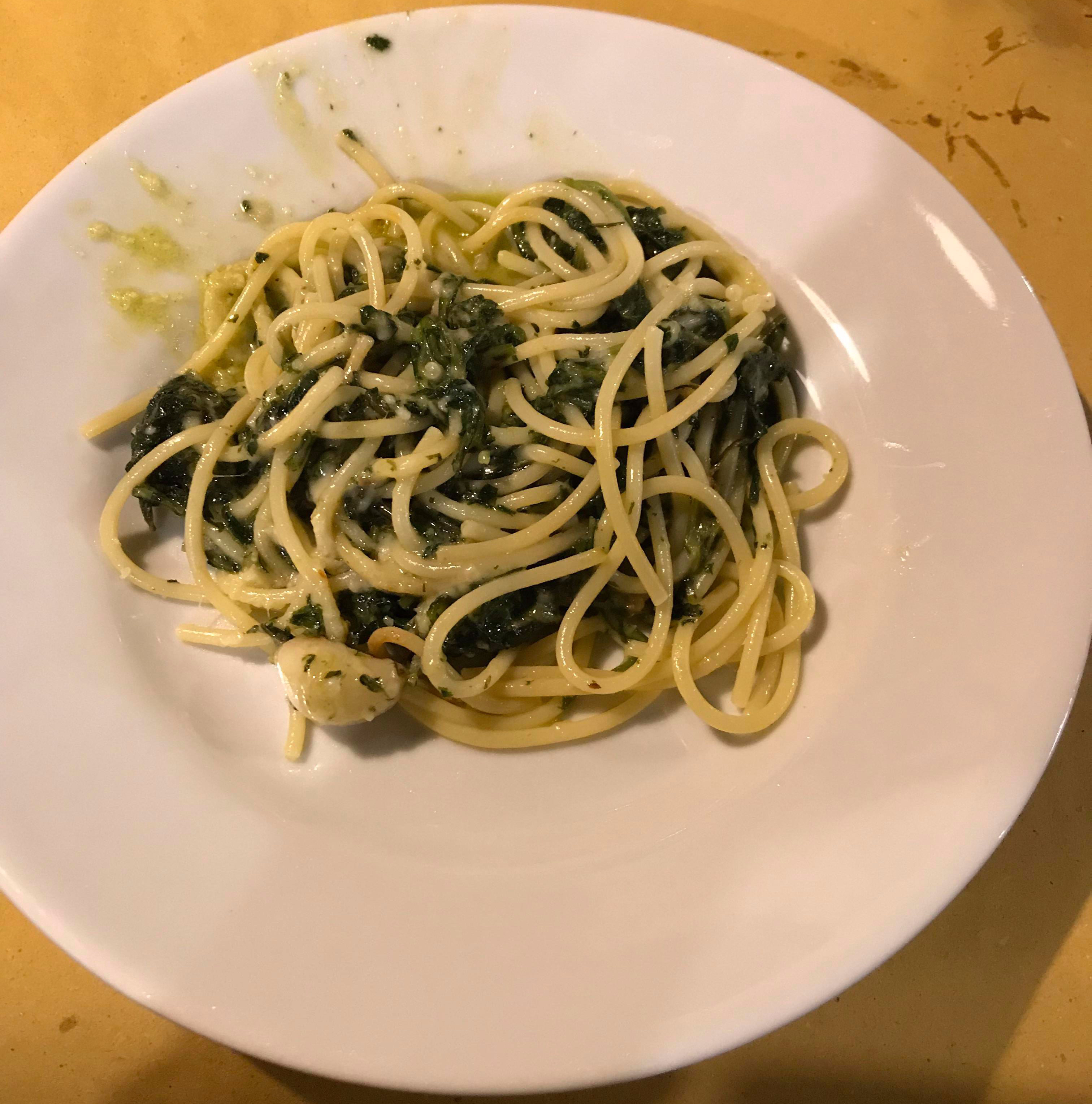
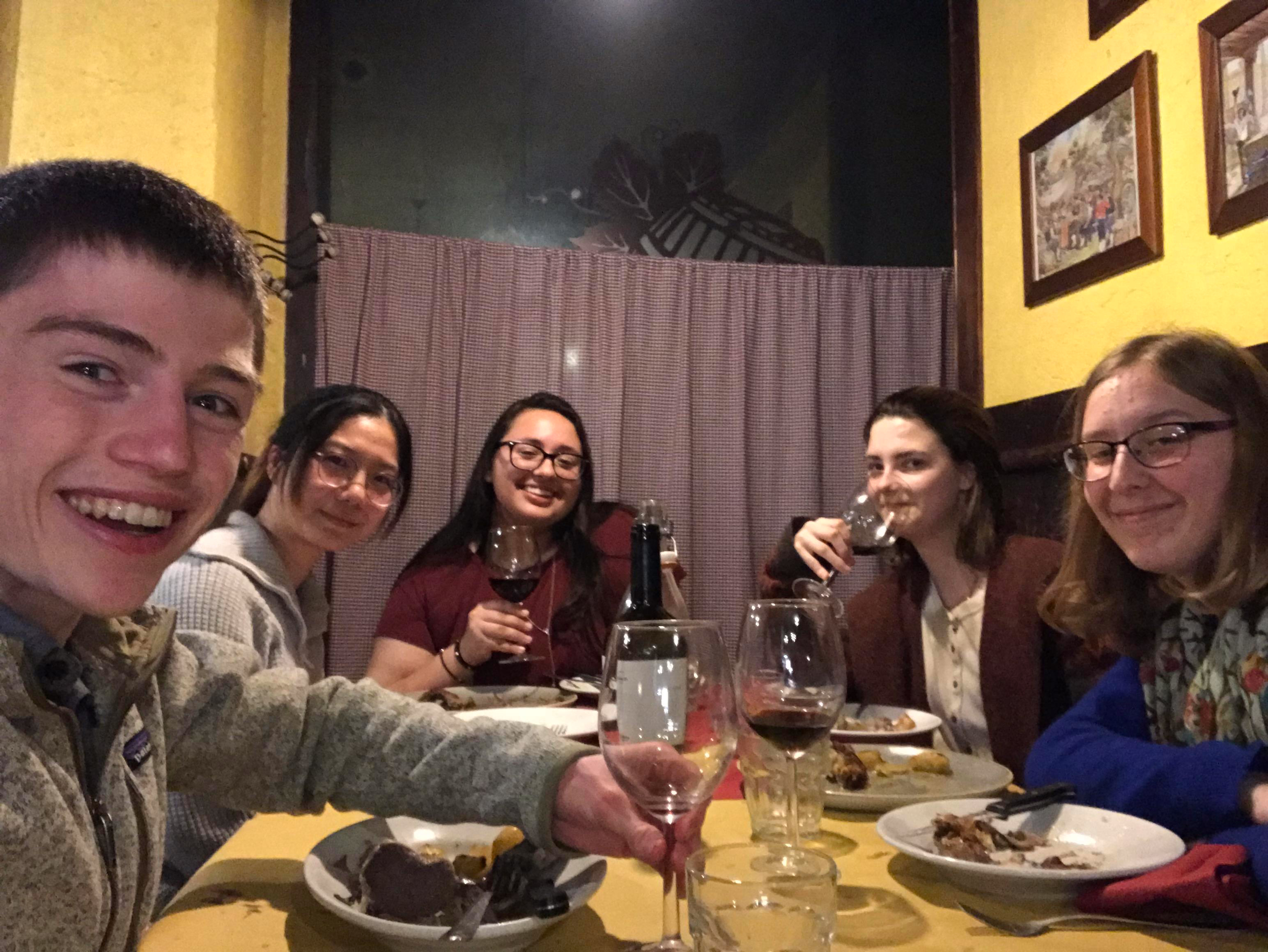
One Saturday night, my friends and I decided to take a break from the more chaotic parts of Rome and settle down for a dinner in one of Testaccio’s charming trattorias: La Fruschetta di Mastro Giogio. After sitting down at the local family establishment, I noticed a common theme: every pasta on the menu’s “Primo” list had olive oil. In fact olive oil was the first ingredient listed under almost every pasta! I ordered the cacio e pepe pasta, a classic spaghetti Roman style pasta with olive oil, garlic, chili pepper, chicory, and pecorino romano cheese. As the plate was set down in front of me, I could tell the one ingredient that the cook did not skimp out on was olive oil (and rightfully so because the cacio e pepe was delicious!). But besides being an amazing condiment, why is it that Romans and Testaccians alike use such large amounts of olive oil in food? The answer goes all the way back to the culinary practices of the Ancient Roman Empire.
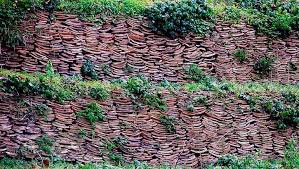
Olive oil was an essential staple to Roman diets for citizens of all social classes. In ancient Rome, soldiers and the peasantry were fed by the state. Although the military and civilian masses did not receive ingredients for cooking fancy dishes, they always received food stipends of olive oil, along with bread, wine, and some pork (Corbier 129-130). The wealthy Romans, while cooking with more meat and exotic spices, also used large amounts of olive oil for cooking and as a base for many dishes. Eventually, the demand for olive oil in the city of Rome grew to be so large, that vast amounts of olive oil had to be shipped in from places abroad such as Betica, modern day Spain (Ramieri). Testaccio’s strategic location on the Tiber River and just outside of the city walls made it an obvious choice for a docking area. The large amount of amphorae pots used to ship the oil were not re-usable, so a large mound was created behind the port made up of thousands of stacked amphorae pots (Peña 4590). The immense ancient garbage dump is today known as Monte Testaccio and sits in the center of the neighborhood as a reminder of the area’s ancient purposes. The monument also serves as a reminder that if there is one practice Italians have kept in their cooking since Ancient Rome, it is the generous use of olive oil. In fact a survey conducted by Gambero Rosso (an Italian food magazine) found that Italians view olive oil as the second most important Italian food, right after Parmigiano Reggiano cheese (Parasecoli 262)!
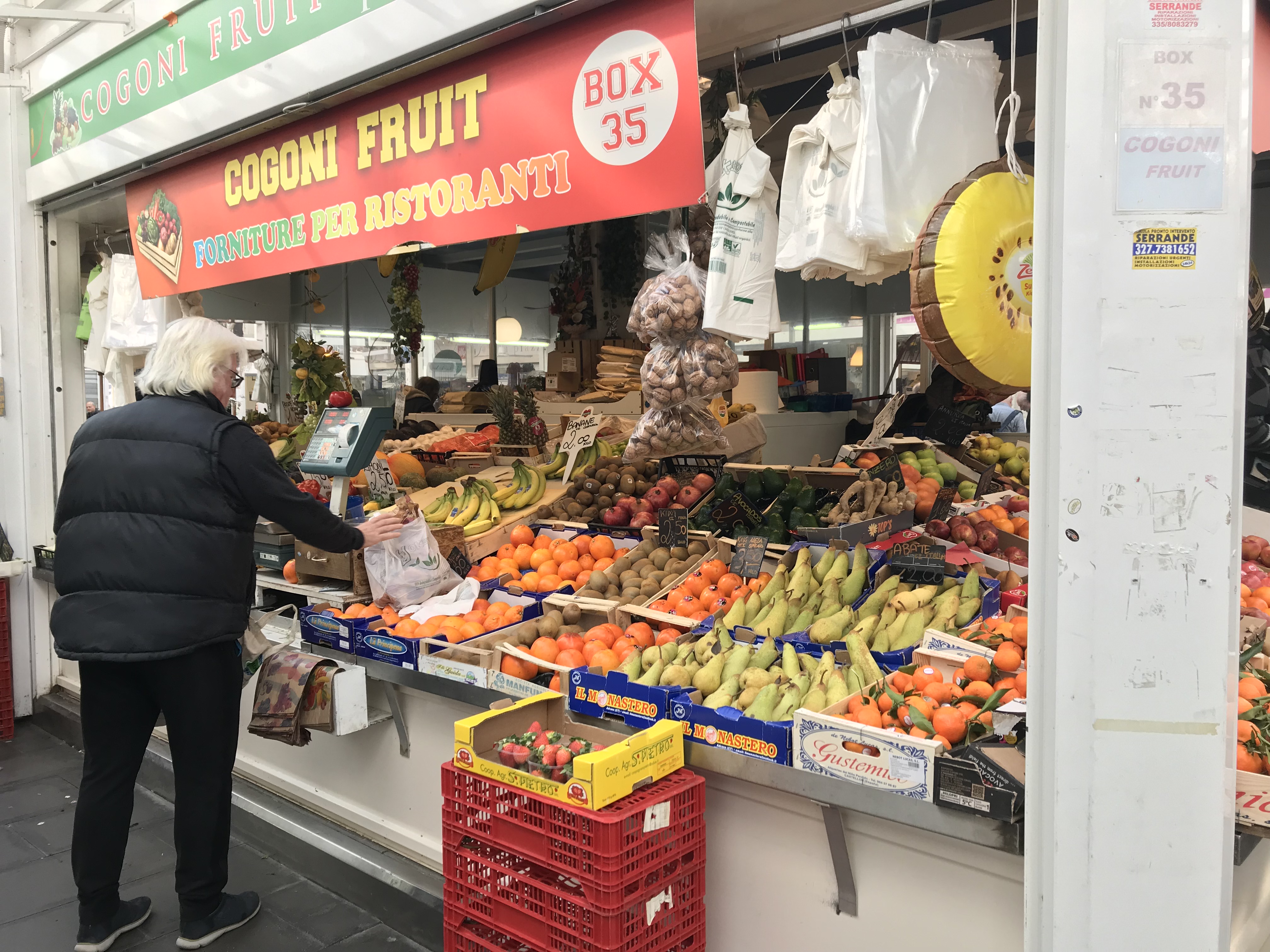
Earlier in the day, as I walked around the Testaccio neighborhood in search of a trattoria that was available for dinner that Saturday night, I decided to stop at the local Mercato Testaccio. From the outside, the market seemed to be not much more than a medium sized, one-floored warehouse. However, once I walked in, the space transformed into a rousing display of enthusiastic vendors selling merchandise from end to end. Leathered goods, glass wear, food, produce, and more filled the space. The contrasting smells of fruits, deli meats, and fresh fish filled the air as patrons and merchants bargained over their products. Although stalls of almost every good imaginable could be found in the market, fruit and vegetable stalls seemed to be the most numerous, selling only the freshest produce of the season. The quantity and quality of the fruits and vegetables in the market was astounding to me. The Romans had access to a truly amazing array of excellent produce!
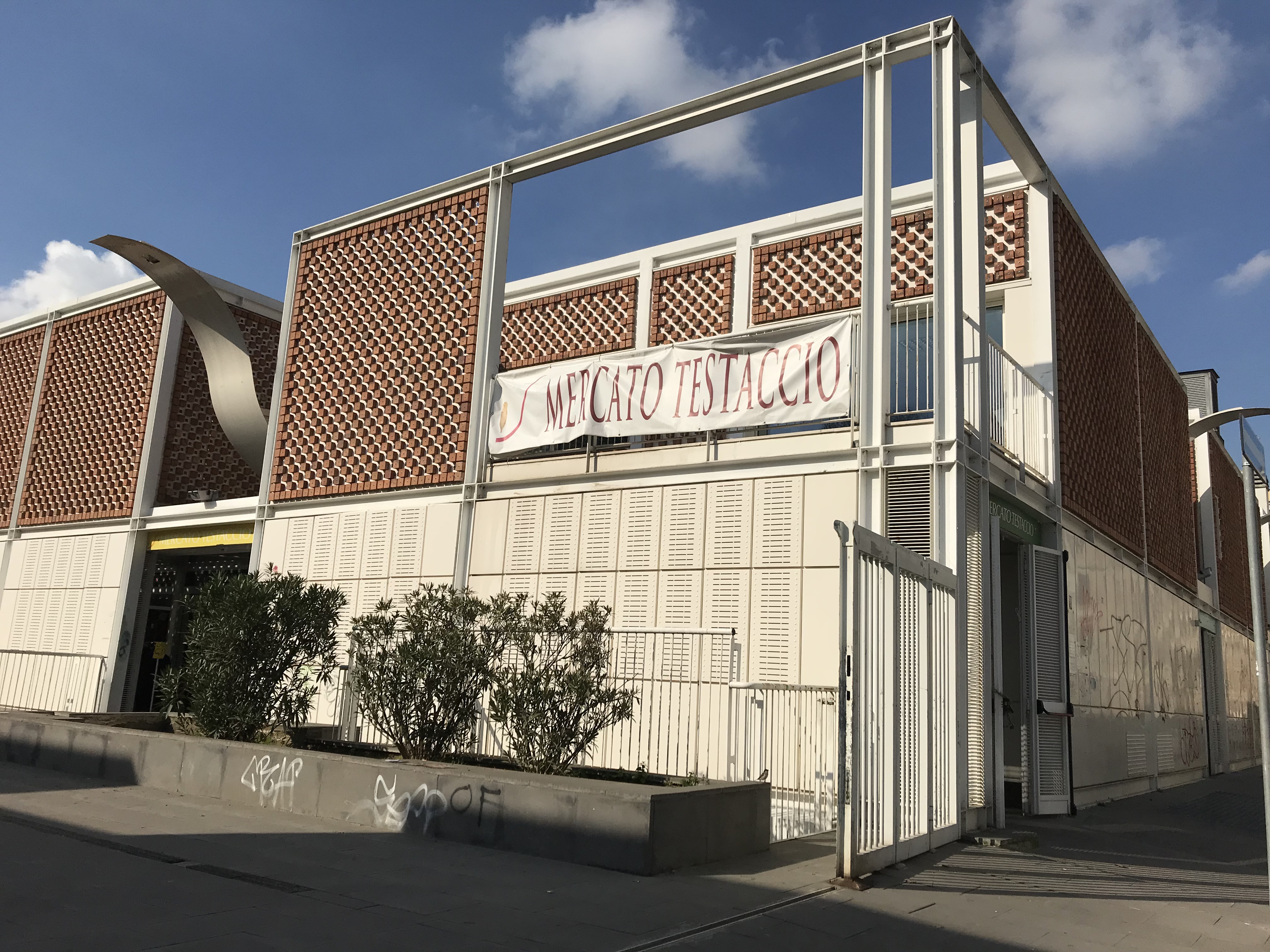
This abundance and quality of produce in the market stalls can be traced back to Ancient Roman times, when the Roman diets relied heavily on agriculture and farming of the “ager” or productive and controlled farmlands (Steel 16-17). Their dedication to farming produced only the best methods of cultivation and harvesting for local fruits and vegetables. When the Roman Empire fell, the port of Emporium in modern day Testaccio was essentially abandoned and farming remained an essential source of food. Archeological evidence clearly shows agricultural use of Testaccio during the Middle Ages and renaissance (Sebastiani). Today, the emphasis on locally grown, seasonal food is still alive in Rome as was apparent by the abundant supply of delicious looking winter fruits and vegetables of Mercato Testaccio.
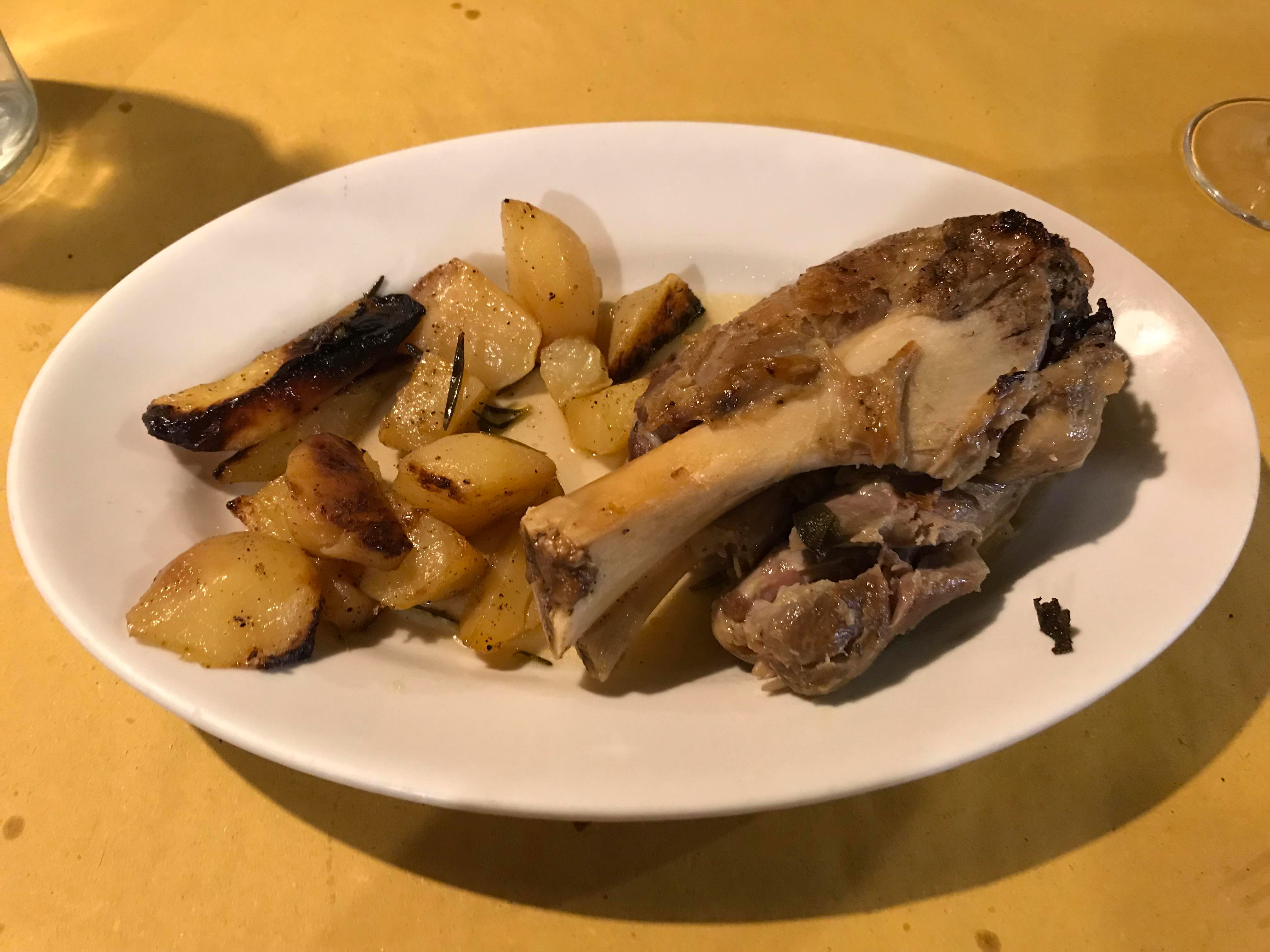
While I was impressed with Testaccio’s outstanding variety of local produce, olive oil, and pasta, I still was anxious to try one of the unique meat dishes that were famous in the neighborhood. As I browsed yelp.com and trip advisor for potential trattorias in Testaccio to visit, I repeatedly stumbled across some very distinct types of dishes on the trattorias’ menus. The different cuisines included ossobuco (veal shin and marrowbone), coda alla vaccinara (ox tail), and la trippa (tripe or the lining of a cow’s stomach). I was personally intrigued by the stinco di maile (pork knuckle) and decided to order it for dinner. Although I was questioning my choice at first, the tender and juicy pork fell right of the bone and was amazingly savory. It turned out to be one of the best things off a pig I have ever eaten! While Testaccio’s interesting choices for meat dishes may raise some eyebrows, these delicious creations can be traced back to Tesstaccio’s “rebirth” as the Roman meatpacking and slaughterhouse district in the late 19thand early 20thCenturies.
After the entire Italian Peninsula was unified and became the nation of Italy in 1870, Rome was declared the capital city. At the time, the city of Rome was only the fifth most populous in Italy with only 212,000 inhabitants, and did not boast any great advantage in trade, technology, or industry (Agnew 229-230). However, Rome was built up immensely after being declared the nation’s capital city. Infrastructure projects, investment, government officials, and new businesses poured into Rome with a fervor not seen since the Roman Empire. The city’s population tripled by 1921, becoming home to over 660,000 people (Agnew 230). With this drastic increase in population came a drastic increase in demand for food. Meat had increasingly become a staple for many European diets throughout the Middle Ages and Renaissance. In response, many European cities started to create large slaughterhouses at the edge of their city. Rome followed suit and chose the almost deserted neighborhood of Testaccio for the new city slaughterhouse: Il Mattatoio. The employees of the slaughterhouse were often given the less desirable parts of animals, such as tripe and tails, as part of their pay (Baldwin). Along with the establishment of the new slaughterhouse in 1890, the city also built many social housing structures to accommodate the blue collar Romans employed in the Testaccio area (Brown et. al.).
The concentration of Il Mattatoio workers in one neighborhood, the Italian love for food, and the large availability of the somewhat odd animal meat products resulted in a wide variety of recipes and dishes using tripe, ox tail, and other curious animal parts. Although the neighborhood was deemed as undesirable for families at first, the success of industries and meat businesses in the area allowed the area to become much more family friendly as Rome’s boundaries grew and more adequate housing was set up. As a result, the dishes that slaughterhouse workers created from their available animal rations became household favorites in the residential Testaccio neighborhood. Il Mattatoio was closed down in 1975 after Rome’s city limits swelled passed modern day Tesstaccio and slaughter houses were moved to the fringes of Rome’s modern day city limits (Brown et. al.). However, the innards of various work and farm animals remained on the tables of Tesstaccio’s families and eventually made their way into the area’s trattorias.
The various and unique dishes and culinary practices of Tesstaccio may seem to be a mystery at first. However, by looking into the different chapters of the neighborhood’s history, one can easily see how each chapter has influenced a key aspect of the neighborhood’s cuisines. From its use as a port for olive oil and trade in the Roman Empire, to a humble farmland for fruits and vegetables in the Middle Ages, to a slaughterhouse district providing Rome’s meat in the 20thCentury, Testaccio’s rich historical past and present culinary traditions are inseparably linked.
Word Count: 1,631
Works Cited
Agnew, John. “The Impossible Capital: Monumental Rome under Liberal and Fascist Regimes, 1870-1943.” Geografiska Annaler Series B: Human Geography, vol. 80, no. 4, Dec. 1998, p. 229. EBSCOhost, doi:10.1111/j.0435-3684.1998.00042.x.
Baldwin, Eleonora. “Testaccio Minus Innards.” The American Mag, The American In Italia, 21 Mar. 2018, theamericanmag.com/testaccio-minus-innards/.
Brown, Andrew, et al. “The Ex Mattatoio of Testaccio Former Slaughterhouse.” Academia.edu, Academia, 2012.
Corbier, Mireille. “Chapter 11: The Broad Bean and the Moray Social Hierarchies and Food in Rome.” Food: A Culinary History from Antiquity to the Present, Penguin Books, 1999.
Parasecoli, Fabio. Al Dente: a History of Food in Italy. Reaktion Books, 2014.
Peña, J. Theodore. “Monte Testaccio.” The Encyclopedia of Ancient History – Peña – Wiley Online Library. John Wiley & Sons, Inc.
Ramieri, A. M. “Monte Testaccio.” Edificio Delle Poste, Il Museo Diffuso Del Rione Testaccio , romearcheomedia.fub.it/testaccio/english/luoghi/MonteTestaccio/index.html.
Sebatiani, R. “Nuovo Mercato Testaccio.” Edificio Delle Poste, Il Museo Diffuso Del Rione Testaccio , romearcheomedia.fub.it/testaccio/english/luoghi/MercatoTestaccio/index.html.

 Le Avventure Del Cibo e Il Vino D'Italia