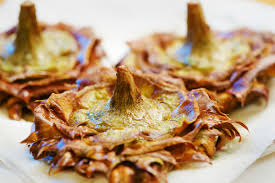
This past Wednesday, I joined the other students in my food and wine class for a cooking class at Alice’s Latteria Studio in Testaccio. Upon arriving, we were greeted by Alice, a friendly and personable English women who warmly welcomed us with a variety of antipasti dishes. After sampling some of the delicious Roman Antipasti, Alice brought all of us around the central island counter. The counter had several metal bowls, knifes, lemons, and artichokes. Alice told us the fist dish we would make for the traditional four-course meal would be the fried artichoke. The fried artichoke would then be followed by two pastas, a chicken dish, and a pastry. Each of us grabbed an artichoke and proceeded to slice off the stem and outer leaves. Although we sliced off some of the rougher parts, most of the vegetable was still used in the dish. After putting the first round of artichokes in the olive and vegetable oil to fry, Alice explained to us that many Roman and Italian cuisines are constituted of simpler ingredients.
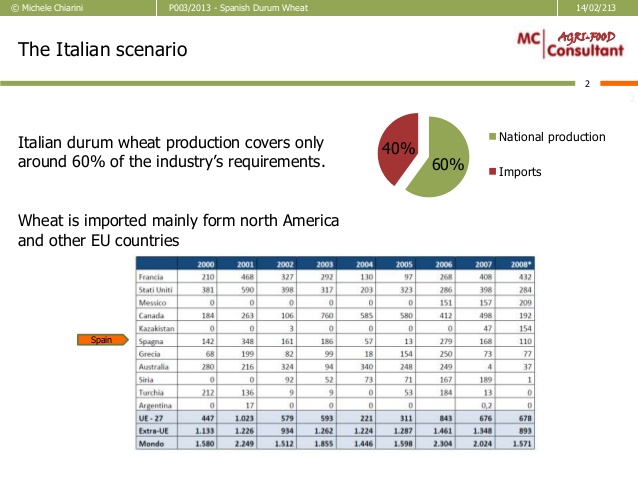
My question for Alice was why Romans choose simpler ingredients such as artichokes and pasta noodles to create the world-renowned recipes of Roman cuisine. To answer my question, Alice needed to take the class back into the history of Italian cuisine and society. Before World War Two, many Italians earned meager wages and did not have access to a wide variety of expensive meats and spices for cooking. However, Italians love for food and cuisine yielded creative recipes despite their limited resources. According to Rachel Lauden, an English food Historian and writer of “The French Terroir Strategy and Culinary Modernism,” bread and wheat dishes had always been a central staple to Italian cuisine due to its availability to the masses and cheap price. Once the Marshal Plan was implemented and Italy modernized its food production after World War Two, a variety of different kinds of food became cheaper and more available. Although Italians started to eat more meat and use different spices, loyalty to their past cuisines stayed strong. Furthermore, Lauden points out that the European Union actually began subsidizing Italian wheat in 1957. Even though Italian wheat production rose dramatically after subsidization, Italy today still needs to import over one-third of its wheat due to the high demand needed to create their beloved recipes.
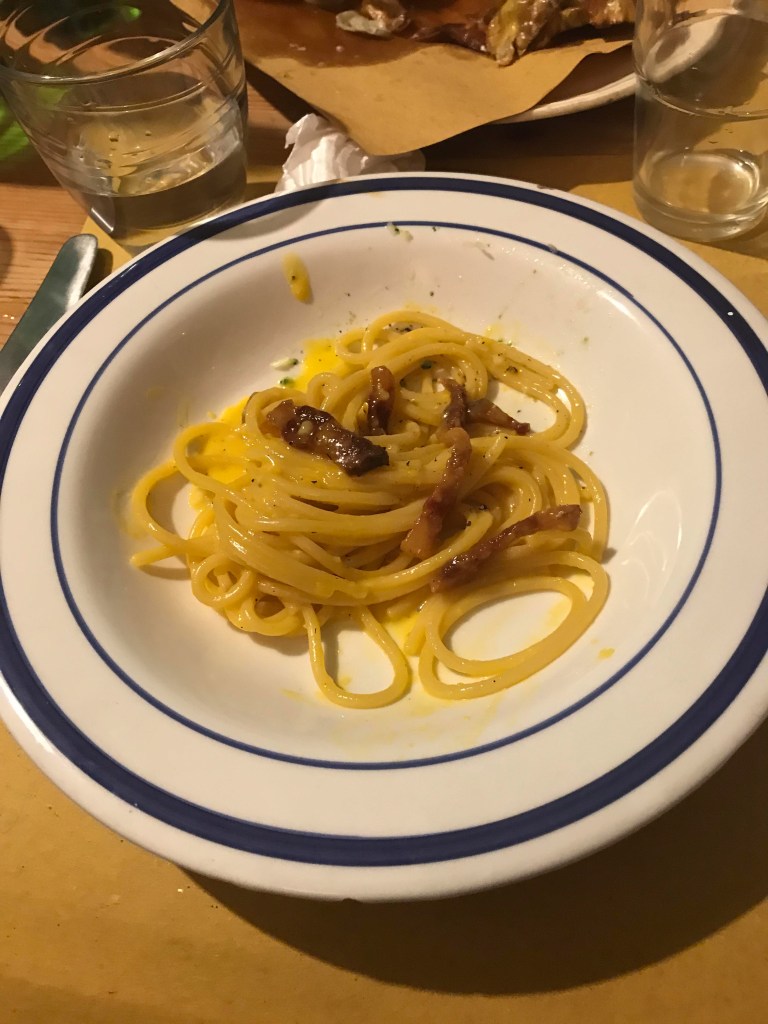
As the dinner proceeded and the different courses were brought out, Alice gave us insight into the origin and history of the different cuisines. The fried artichoke was a common recipe of the Jewish Ghetto. Since the Jewish inhabitants of the area were very poor, they decided to use the available root vegetable to make the delicious antipasto we enjoyed. The simple yet delicious pasta courses we had were the Roman classics pasta alla broccoli and pasta alla carbornara. The ingredients used in these pastas were simple vegetables, like broccoli, and unwanted leftovers of animals, such as pig fat (bacon). The humble origins of these dishes are even emphasized by popular legends, such as the myth that Italian soldiers made the first pasta alla carboranara with left over eggs and bacon from their breakfasts. In reality, the dishes were made from whatever ingredients were inexpensive and available to the masses. After the dinner, I realized that I had gained a much greater appreciation for the cuisines of Italy and the creativity applied by Italians to do the most with the little ingredients they had. If there is a will, there is a way, and Italians will for outstanding dishes was never broken by the humble ingredients constituting their amazing cuisines.

 Le Avventure Del Cibo e Il Vino D'Italia