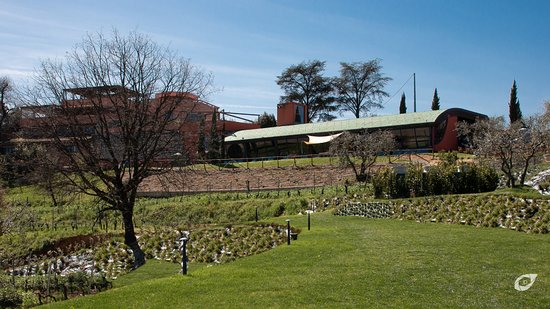
This past weekend my parents were in town from Chicago, so we decided to head north to see Tuscany and of course try the amazing local food and wines of the region. We felt the best (and most fun) way to experience the wine of the region was to visit a vineyard and have a wine tour and tasting. On a late Saturday morning we arrived at the Buonamico winery in Montecarlo, Tuscany. The buildings of the remodeled vineyard looked very modern and stylish in contrast to the classical Tuscan vineyards sprawling throughout the fields of the estate. Stepping inside, we were surprised to be greeted with a glass of sparkling white wine. We had always thought of Tuscan wine as synonymous with red wine and were slightly confused with our first tasting. Our tour guide then gave us some information about the Buonamico winery. Apparently, the winery was famous for producing white and sparkling white wines in the predominately red wine region of Tuscany. They particularly were known for experimenting with different combinations of French and Italian grapes to make their unique wines.
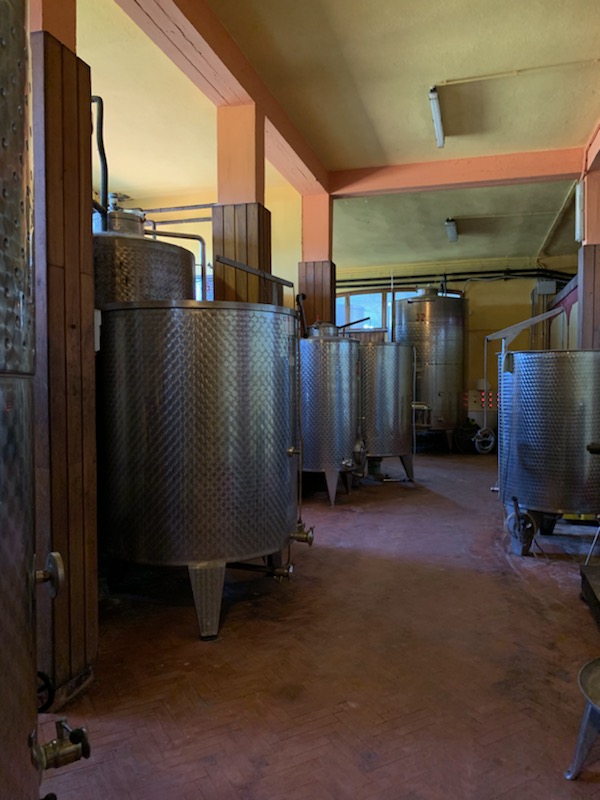
After our welcome drink, our guide led us down into the rooms below where the winemaking process was carried out. I had already learned the essential parts of the winemaking process for both reds and whites in my food and wine class, however, it was very interesting to hear our guide passionately describe the intricate methods unique to the Buonamico winery. The most interesting part of the Buonamico winemaking process was during the secondary fermentation of their sparkling white wines. According to Encyclopedia Britannica, fermentation is the breakdown of glucose in the absence of oxygen. This breakdown of glucose in wine eventually produces alcohol after live cultures from yeast or bloom on grape skin is added to grape juice. In order to make white wines sparkle, the wine must be put through a second round of fermentation in which yeast (or another active culture) is added to break down glucose into carbon dioxide and more alcohol. This is why sparkling wines have higher alcohol contents as well as a bubbly texture.
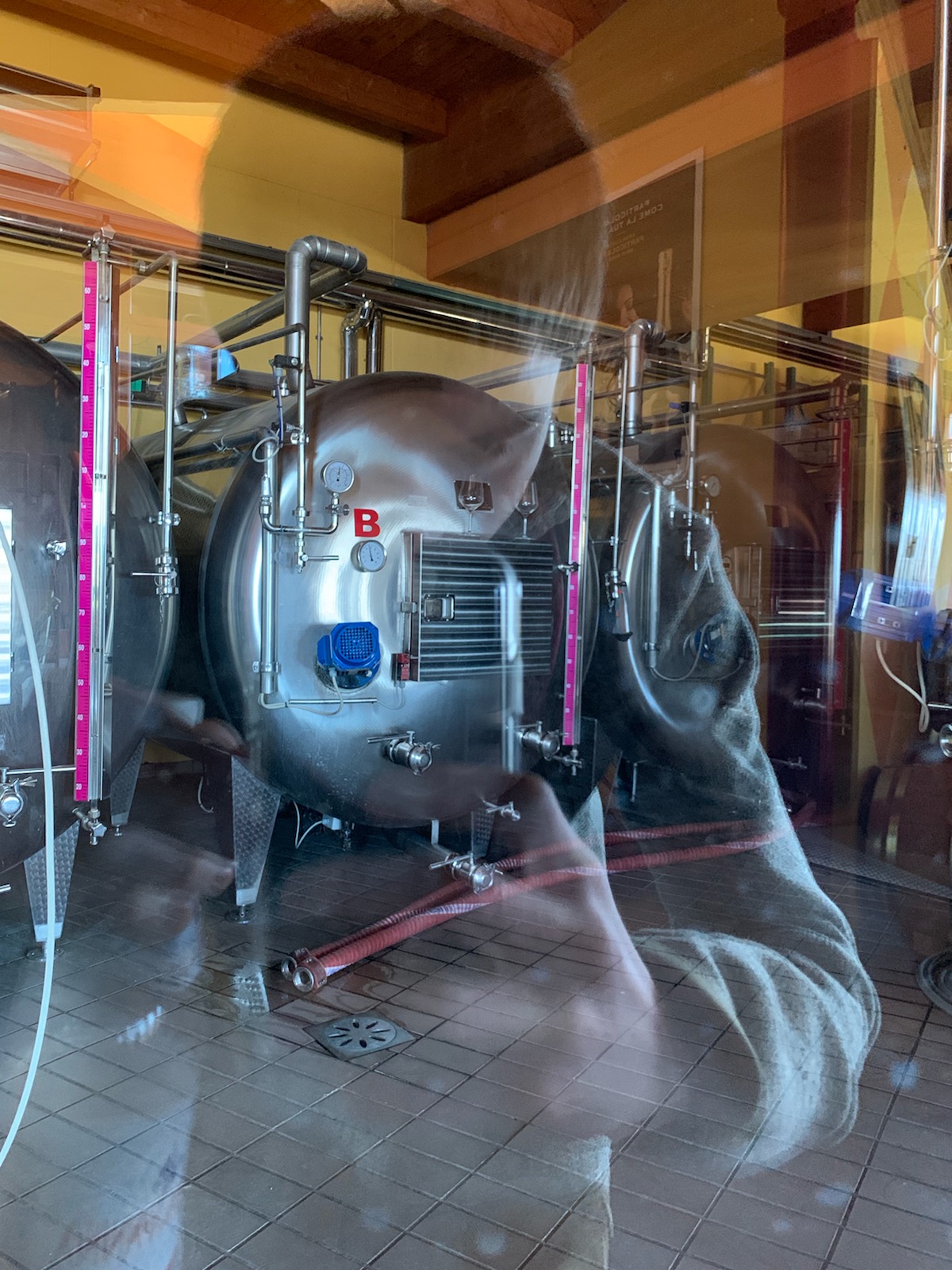
However, there is another step to the processes of making sparkling wine: riddling. Riddling is the process of occasionally turning the sparkling wine bottle while the wine is going through secondary fermentation. This allows sediments to be moved to the neck of the bottle so it will be easier to remove the sediment after the aging and secondary fermentation processes are complete. According to Auguste Escoffier School of Culinary Arts, failing to remove sediment from sparkling wine can affect the taste of the wine. Although the process of riddling is traditionally done by fermenting and turning sparkling wine in individual bottles, Buonamico’s limited space and staff led them to create a new method. In several large metal containers, Buonamico puts their sparkling wines through secondary fermentation while the container occasionally turns all of the wine inside. This allows for easy and efficient collection and removal of the sediment at the bottom of the large container. Not only did the sparkling wines of Buonamico taste great, but their creative solution to overcome their problems of limited space and staff also gives the wine a great backstory!

 Le Avventure Del Cibo e Il Vino D'Italia