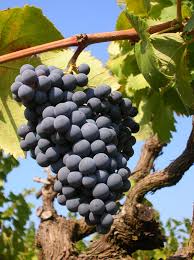
This weekend my friends and I were determined to have dinner at a restaurant with authentic Roman cuisine. We decided to visit the neighborhood of Testaccio, known for its classic Roman pastas as well as its interesting meat dishes. After a persistent search for an authentic Roman restaurant with availability on Saturday night in Testaccio, I was able to make a reservation at La Fruschetta di Mastro Giorgio. Although I was eager to dive right into the food menu to see the interesting meat cuisines I had heard were famous in Testaccio, my friends and I decided to first get a bottle of wine for the table. We asked the waiter for a red wine recommendation native to the Lazio region. Without hesitation, he quickly pointed to a wine with a grape I had never heard before: Pollùce wine produced by Cincinnato with 100% Nero Buono grapes. After the waiter poured the wine I decided to try out some of the wine tasting methods I had recently learned in my food and wine class. I first noticed that the wine had somewhere between a rubino rosso and granato rosso color with a “limpido” (clean) clearness and an “abbastanza consistente” (sufficiently consistent) consistency. After waiting for the wine to open up in the glass, I took a whiff. A “molto intenso,” (very intense) tart plum aroma emerged from the glass. The aroma was strong, however I would classify it as “abbastanza complesso” (sufficiently complex). I would describe the aroma itself as “fruttato” (fruity) but also somewhat “tostato” (toasted).
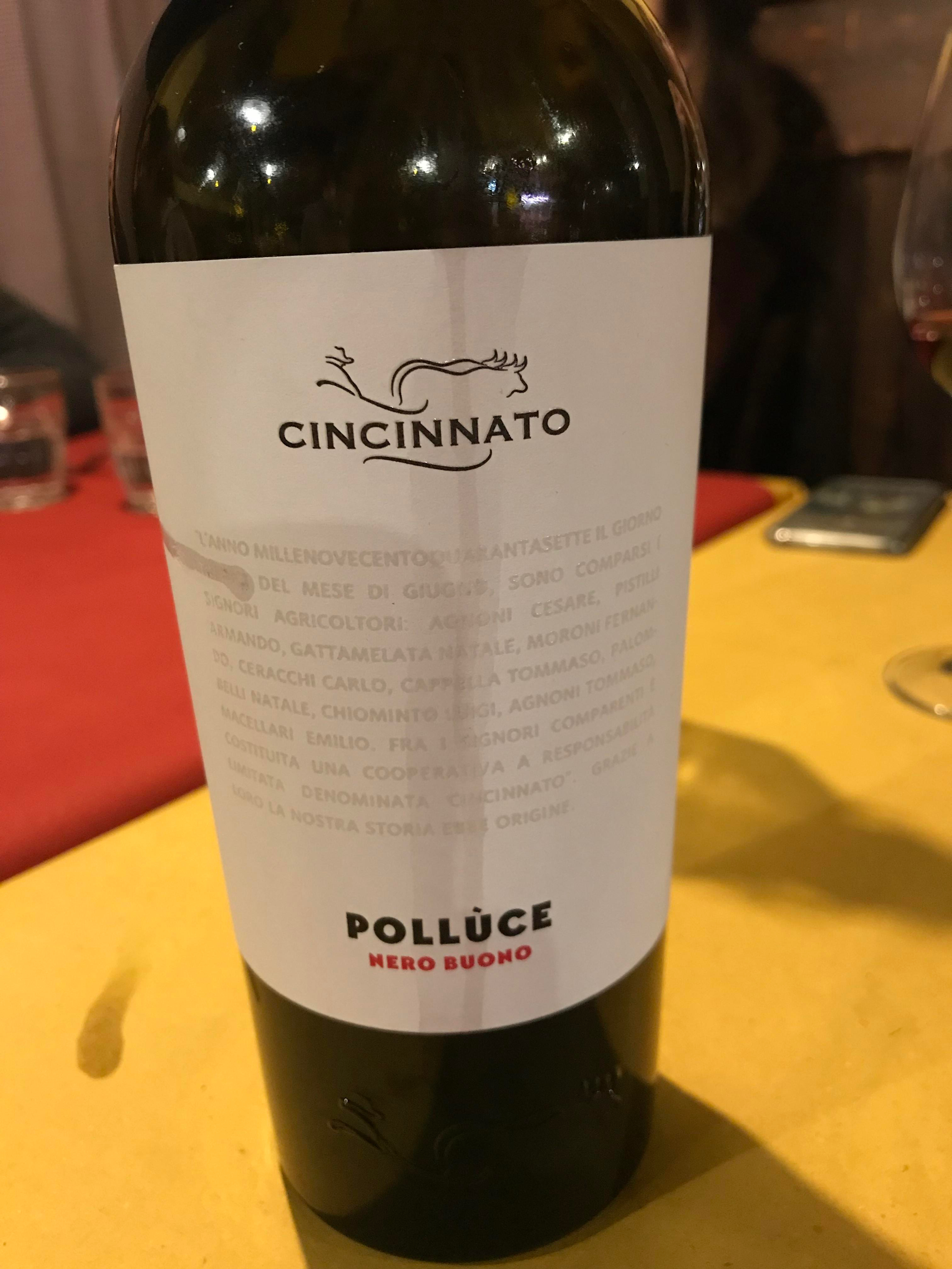
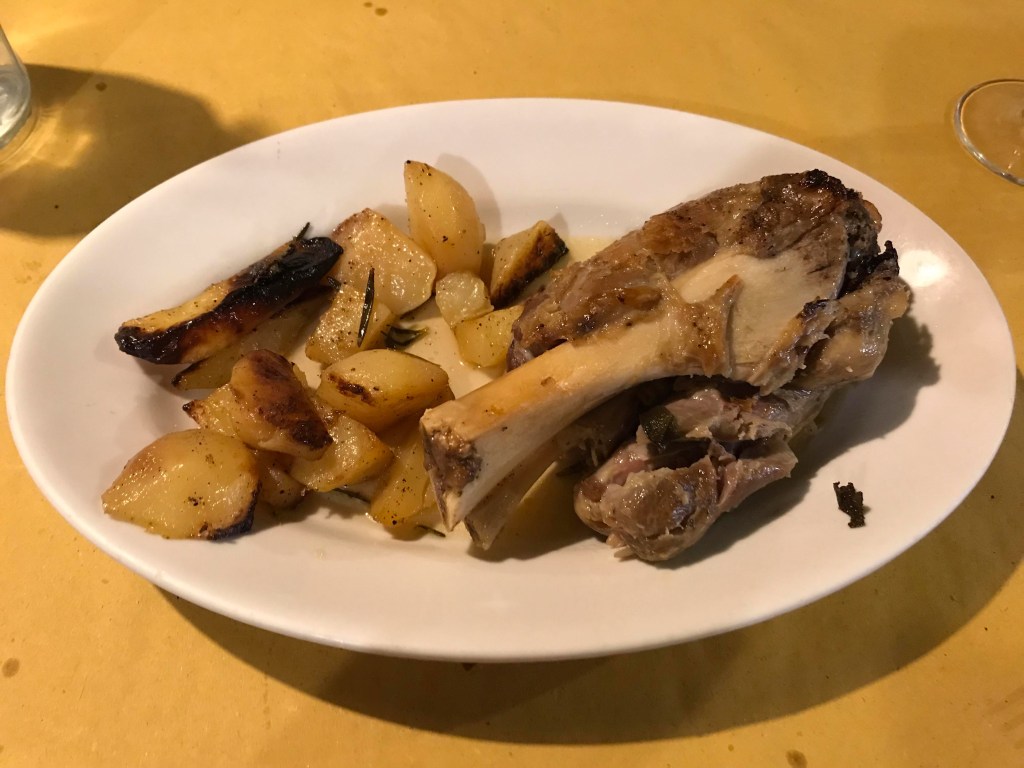
After the first sip, I forgot about the regional food that I had come to the restaurant for and was enthralled with this marvelous new wine I had found. It tasted much like its aroma, but was also very smooth and only had a hint of dryness, which was perfect for me. After our dinner, I had to do some research about the Nero Buono grape that constituted the wine. According to worldsbestwines.eu, Nero Buono is a grape grown almost exclusively in the central Lazio region of Italy in the town of Cori. In fact, the grape is often referred to as Nero Buono di Cori. The grape has thick skin and an intense, dark purple pigment. These factors make the grape demand a high level of care since it is susceptible to rotting and downy mildew in rainier vintages. These traits are probably a large reason why the grape is kept in such a specific part of Lazio and not grown elsewhere. Although the grape’s origins are unknown, there is a local legend that the Roman politician Cincinnatus introduced the grape to the region in the fifth century B.C. Hence the name of the regional producer of Pollùce “Cincinnato.” The grape, like most full-bodied red wines, is recommended to be paired with more juicy and heartier meats, so it went great with the pork knuckle I had for dinner!

 Le Avventure Del Cibo e Il Vino D'Italia