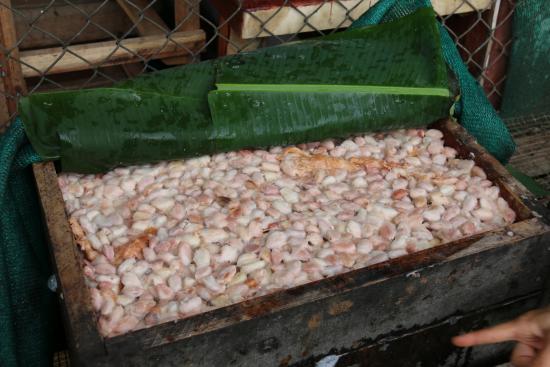
Last week I learned about the interesting process of making one of the greatest foods of all time: chocolate. The thing about the chocolate making process that surprised me most was that chocolate is fermented food just like yogurt, sauerkraut, or beer. In the Netflix documentary “Cooked” the episode “Earth” follows cocoa bean harvesters in the process of fermenting chocolate. The harvesters first opened the cocoa pods to reveal a small pile of cocoa beans covered in a white mucinous gel. Next the raw beans covered in the pulp were dumped into wooden boxes and tightly covered. This allows the heat to rise and little to no oxygen to enter in order for anaerobic respiration, or fermentation, to begin. The beans sit in the box, which reaches about 50˚C, for about seven days. After seven days the harvesters declare that the beans have reached optimal fermentation, resembling the chocolate brown color that we all know and love. The beans are then spread out on a big tarp and left to dry in order to stop the fermentation process.
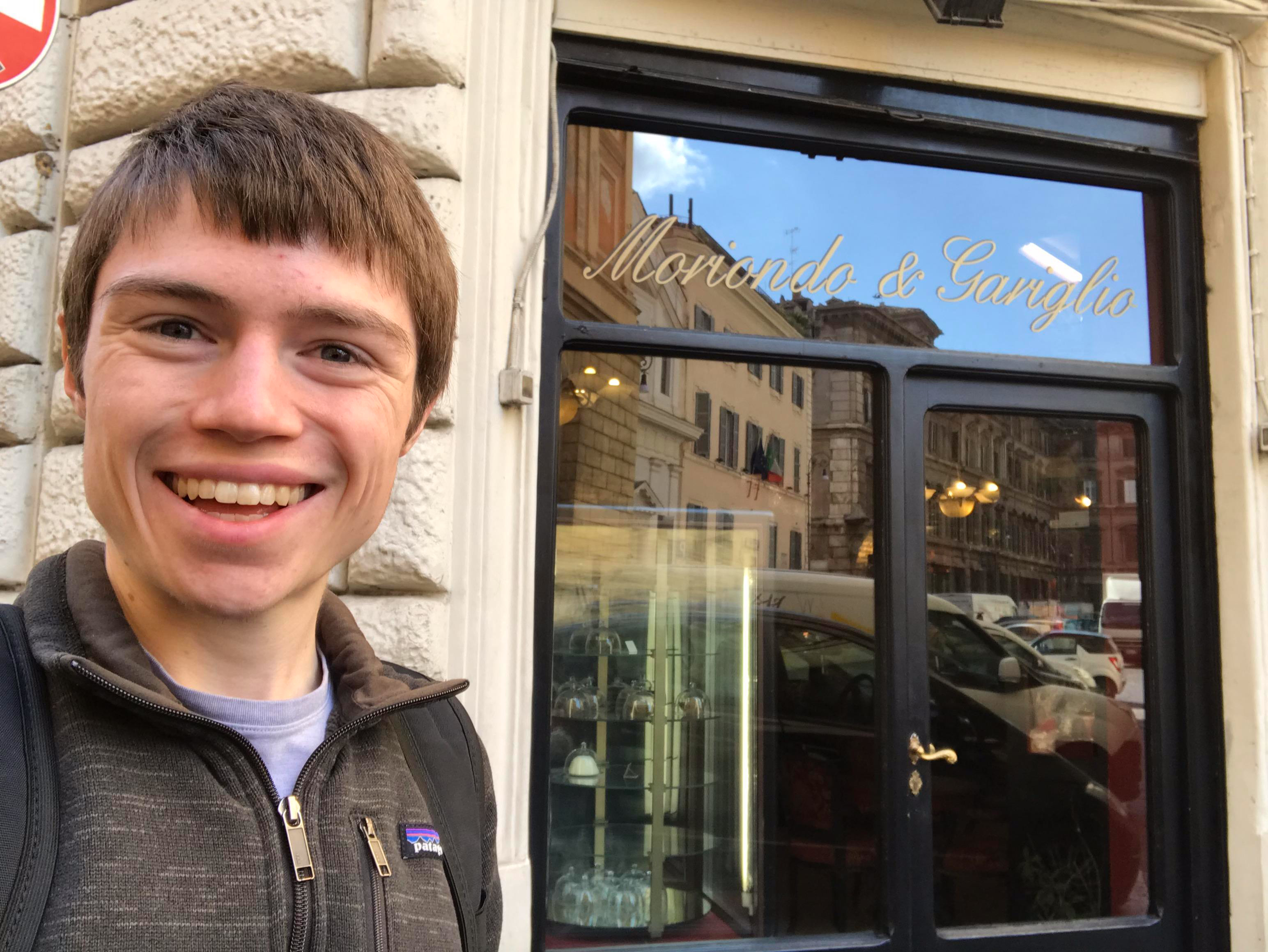
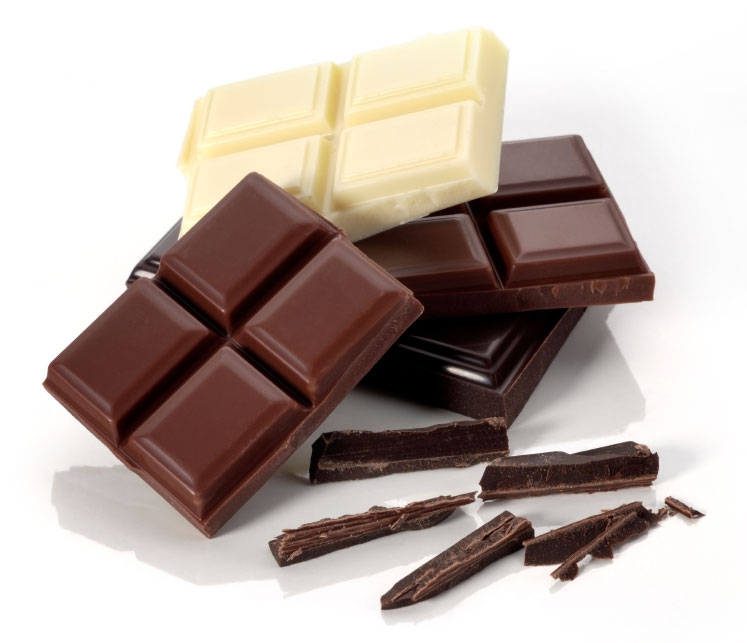
Several days later I was reminded of the episode on chocolate fermentation as I passed the Roman chocolate store “Moriando e Gariglio,” near Piazza Venezia. I could not resist the delicious looking candies in the window and had to go inside. The sweet and nostalgic smell of the enticing sweets filled the room. After some browsing I decided to get a couple of pieces from the front desk. As I devoured the pieces of chocolate directly after stepping outside of Moriando e Gariglio, I wondered about the role of the fermented, bitter cocoa bean in creating these wonderful, sweet chocolates. After some research online, I found out about the intriguing factory process. According to Scienceofcooking.com, fermented cocoa beans are roasted, cracked open to expose the cocoa nibs, the nibs are ground into a chocolate liquor, and finally the liquor is mixed with sugar, cocoa butter, milk, and vanilla in various quantities depending on the type of chocolate. For instance, the dark chocolate that I prefer is made with a higher percentage of chocolate liquor and no milk, while milk chocolate is made with less chocolate liquor, but more milk and vanilla. The right ratio of ingredients to make great chocolate is not easy to achieve, but whatever recipe they use to make chocolate at Mordiando e Gariglio seems to have found it!

 Le Avventure Del Cibo e Il Vino D'Italia